H2: The Quiet Process That Feeds the World
Almost every meal you eat, directly or indirectly, begins with photosynthesis. It is the process by which green plants, algae, and some microbes capture energy from sunlight and use it to build food from water and carbon dioxide. Without it, there would be no grains, fruits, or vegetables, and no plant-eating animals for other animals to eat. Photosynthesis also releases oxygen into the air, which is why forests and ocean plankton are often described as the lungs of the planet. The process happens quietly, all around us, in leaves, gardens, fields, and oceans, usually without us noticing. Yet it powers nearly the entire food web on Earth, and understanding it helps explain why sunlight, water, and healthy soil matter so much to life.
H2: The Ingredients: Sunlight, Water, and Carbon Dioxide
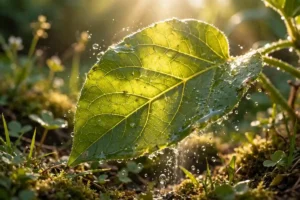
Photosynthesis needs three main ingredients. Sunlight provides the energy, water provides hydrogen and electrons, and carbon dioxide from the air provides carbon, the building block for sugars. Plants take in water through their roots and carbon dioxide through tiny openings in their leaves called stomata. Those stomata can open and close, balancing the need to take in carbon dioxide against the need to avoid losing too much water, especially on hot, dry days. Inside the leaf, the process takes place in tiny structures called chloroplasts, which contain a green pigment called chlorophyll. Chlorophyll absorbs sunlight, especially in the blue and red parts of the spectrum, and reflects green light, which is why most leaves look green to us.
H2: The Light Reactions: Capturing Solar Energy
Photosynthesis happens in two main stages. In the first stage, often called the light reactions, chlorophyll in the chloroplasts absorbs sunlight and uses that energy to split water molecules. Splitting water releases oxygen, which leaves the leaf through the stomata and enters the air we breathe. The energy from sunlight is also captured in temporary energy-carrying molecules that the plant will use in the next stage. This stage must happen in light, and it takes place on the membranes inside chloroplasts. It is a remarkable piece of natural engineering: a leaf captures light energy, stores it in chemical form, and releases oxygen as a byproduct, all without any moving parts. Human technology inspired by this idea, such as the panels described in how solar panels work, captures sunlight in a different way, but the goal is similar: turning light into usable energy.
H2: The Dark Reactions: Building Sugar
In the second stage, often called the Calvin cycle, the plant uses the energy captured in the light reactions to build sugars from carbon dioxide. This stage does not require light directly, though it depends on the energy collected during the light reactions, which is why it is sometimes called the light-independent stage. Enzymes guide a series of chemical steps that attach carbon dioxide molecules together, gradually forming sugar molecules. Those sugars can be used immediately for energy, stored as starch for later use, or built into other molecules the plant needs, such as cellulose for cell walls. When you eat a potato, an apple, or a grain of rice, you are eating energy that was originally captured from sunlight and stored by a plant through this very process.
H2: Why Photosynthesis Matters Beyond Plants
Photosynthesis matters far beyond the plant itself. It forms the base of nearly every food chain: plants are eaten by herbivores, herbivores are eaten by carnivores, and decomposers recycle nutrients back into the soil. It also shapes the atmosphere, because the oxygen released by photosynthesis over billions of years transformed Earth from a planet with little free oxygen into one where oxygen-breathing animals could evolve. Today, photosynthesis in forests, grasslands, and especially ocean plankton continues to absorb carbon dioxide and release oxygen, helping to regulate the atmosphere. Protecting those ecosystems, as discussed in protecting ecosystems, is therefore not only about saving beautiful places; it is about protecting the process that keeps the air breathable and the food web running.
Factors That Affect Photosynthesis
Several factors affect how fast photosynthesis happens. Light intensity matters up to a point: more light usually means faster photosynthesis, until the plant reaches a limit where other factors become the bottleneck. Carbon dioxide levels matter too, since carbon dioxide is a raw material for sugar production. Temperature matters because the enzymes that drive the process work best within a certain range, and extreme heat or cold can slow them down. Water availability matters because a plant short of water will close its stomata to conserve moisture, which also reduces carbon dioxide intake. Farmers and gardeners work with these factors every day, choosing planting times, watering schedules, and spacing that give plants the light, water, and air they need to thrive.
H2: Photosynthesis in Oceans and Other Places
Although we usually think of trees and garden plants, a huge share of photosynthesis happens in the oceans, carried out by tiny organisms called phytoplankton. These microscopic drifters float near the surface where sunlight reaches, and they support ocean food webs from tiny fish to great whales. Algae in lakes and rivers also photosynthesize, as do some bacteria that use different pigments and can live in places where plants cannot. Even in deserts, specially adapted plants photosynthesize in ways that conserve water, opening their stomata at night or storing carbon dioxide for use during the day. This diversity shows how flexible the basic process is, and why life has spread into so many environments on Earth. The tiny organisms behind much of this work are part of the world explored in world of microbiology.
H2: Lessons From a Leaf
Photosynthesis is a reminder that the most important processes in nature are often the quietest. A leaf does not roar or glow, yet it turns sunlight into food, releases oxygen, and supports life far beyond itself. When we understand this process, we understand why deforestation, ocean health, and soil care matter, and why a garden, a park, or a field is more than decoration. It is also a source of inspiration for science and technology, from studying plant genetics described in CRISPR to designing cleaner energy systems like those in how wind turbines work. The next time you stand under a tree on a sunny day, it is worth pausing to appreciate what is happening in every leaf: sunlight, water, and air being turned, step by step, into the energy that sustains nearly all life on Earth.
Photosynthesis and Human Life
Human life depends on photosynthesis in ways that go beyond food and oxygen. Wood, cotton, paper, and many medicines come from plants that grew through photosynthesis, and even fossil fuels are ancient sunlight stored by photosynthesis millions of years ago, though burning them now releases that stored carbon far faster than plants can reabsorb it. Agriculture is, at its core, the management of photosynthesis: farmers choose crops, planting times, and field layouts that maximize sunlight capture while conserving water and soil. Gardeners do the same on a smaller scale, noticing which plants thrive in sun and which prefer shade. Understanding photosynthesis therefore helps anyone who grows food, tends a garden, or simply wants to understand where their meals come from. It also explains why healthy soil matters, since soil holds water and nutrients that roots need to support the leaves doing the work above ground.
Photosynthesis also offers inspiration for future technology, as researchers study how leaves capture light so efficiently and how plants protect themselves from excess sunlight. That research connects to fields from genetics, described in what DNA is, to the careful observation in research in everyday life and scientific inquiry, and to the tools that watch Earth from above in how satellites work. Other life sciences, from stem cells to how vaccines work and CRISPR, share the same method: study nature closely, understand its mechanisms, and apply that understanding carefully. For photosynthesis, the lesson is already clear: protecting plants, oceans, and soils protects the process that feeds us, and every leaf is a small solar factory working quietly on our behalf. Even navigation tools like how GPS works remind us how much modern life depends on understanding natural systems accurately.
Noticing Photosynthesis Around You
You can notice photosynthesis happening around you every day, if you know what to look for. Watch how plants turn toward a window, how a garden grows faster in sunny weeks than in cloudy ones, and how leaves change color in autumn when chlorophyll breaks down and other pigments become visible. Notice how a pond looks greener in summer when algae are active, and how a forest feels cooler and fresher than a paved street on a hot day. These small observations connect textbook science to lived experience, and they make the process feel real rather than abstract. Teaching children to notice these signs is a wonderful way to spark curiosity about nature, because photosynthesis is happening in their backyard, their schoolyard, and every park they visit, quietly powering the world they explore.
That quiet, everyday miracle is worth noticing, protecting, and celebrating wherever green plants grow.