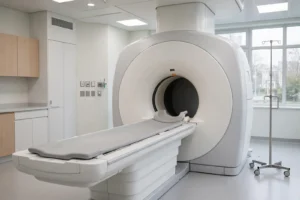
Understanding how research shapes our everyday lives helps explain why modern society continues to change. Scientific investigation, technological development, medical research, consumer studies, environmental analysis, and educational research all contribute to improvements that eventually become part of daily routines.
Research does not always produce an immediate breakthrough. Often, progress happens through years of observation, testing, experimentation, refinement, and practical application. This gradual process can result in products, services, systems, and knowledge that people eventually take for granted.
What Is Research and Why Does It Matter?
Research is a structured process used to investigate questions, collect information, evaluate evidence, and develop a better understanding of a subject. Depending on the field, researchers may conduct experiments, analyze data, observe behavior, review existing evidence, interview people, test technologies, or study patterns over time.
The purpose is not simply to discover new facts. Research can also help people solve problems, improve existing systems, reduce risks, make informed decisions, and identify opportunities for innovation.
Scientific inquiry is particularly important because it encourages questions to be tested rather than accepted solely on assumptions. A deeper look at the process of scientific inquiry shows how questioning, evidence, testing, and analysis contribute to reliable knowledge.
Research and the Technology We Use Every Day
Technology is one of the clearest examples of research moving from specialized environments into everyday life. Devices and digital services that appear simple to consumers often depend on years of research in computing, engineering, materials science, communications, and human behavior.
People now use smartphones, wireless networks, cloud services, navigation applications, smart appliances, wearable devices, and artificial intelligence without necessarily thinking about the research behind them.
Those interested in the broader direction of technology can explore the latest tech trends to see how emerging developments are influencing modern products and services.
Research also contributes to technologies that may not yet be familiar to most consumers. The rise of emerging technologies demonstrates how experimental ideas can gradually become practical tools as researchers and developers solve technical challenges.
Smart Devices and Connected Living
The growth of connected technology provides another strong example. Smart speakers, connected thermostats, security systems, watches, appliances, and other devices can communicate with networks and each other.
The impact of IoT and smart devices extends beyond convenience. Research in sensors, networking, automation, data processing, and cybersecurity helps determine how these systems function and how they can become more useful.
As more products become connected, understanding the landscape of connected devices becomes increasingly important for consumers and businesses alike.
Software Is Also Built on Research
Everyday software is another product of continuous research and experimentation. Developers rely on advances in programming languages, databases, cloud computing, cybersecurity, artificial intelligence, user-interface design, and software engineering.
Developments discussed in software development trends can eventually influence the applications people use for work, communication, entertainment, shopping, and education.
Even discovering useful tools often involves research. Consumers compare features, test alternatives, read reviews, and investigate new products before deciding what deserves their attention. Resources covering hidden technology gems reflect this growing need to evaluate technology thoughtfully.
How Research Improves Health and Medicine
Healthcare is another area where research has an enormous effect on everyday life. Medical researchers study diseases, treatments, diagnostic methods, nutrition, physical activity, genetics, medical devices, and patient outcomes.
Many healthcare practices that seem routine today are the result of extensive investigation. Research can help healthcare professionals understand conditions more effectively, evaluate treatment approaches, identify potential risks, and improve patient care.
Research also contributes to specialized fields. For example, embryology education and reproductive science demonstrate how specialized scientific knowledge can support important areas of modern healthcare.
At a broader level, healthcare organizations and professionals increasingly depend on evidence, technology, and data to improve services. Articles examining healthcare providers, such as modern healthcare services, illustrate how research-driven knowledge can connect with practical patient experiences.
Research and Physical Performance
Research also influences exercise, rehabilitation, sports performance, and recovery. Studies of movement, biomechanics, nutrition, equipment, and recovery strategies can help athletes and active individuals understand how their bodies respond to different activities.
Innovations in this area can be seen in technologies designed for targeted recovery and performance. For example, compression technology for recovery and performance reflects the connection between research, engineering, and practical wellness applications.
Research Shapes What We Eat
Food choices are also influenced by research. Food scientists investigate ingredients, preservation methods, nutrition, safety, packaging, production processes, and consumer preferences.
Research can help manufacturers understand how foods behave under different conditions and how production processes affect quality. Nutrition research can also help people learn more about dietary patterns and the relationship between food and overall well-being.
Consumers may not see the laboratory work behind a packaged product, but research can influence everything from shelf life and food safety to nutritional labeling and preparation instructions.
Research and the Cars We Drive
Transportation provides another everyday example. Modern vehicles depend on research involving engineering, materials, aerodynamics, batteries, computer systems, safety, emissions, and human behavior.
Research into autonomous transportation is particularly significant. The future of autonomous vehicles depends on continued development in sensors, artificial intelligence, computer vision, mapping, communication systems, and vehicle engineering.
Even conventional vehicles benefit from research. Tire design, braking systems, fuel efficiency, suspension components, and safety features are continually evaluated and improved.
This same principle applies to vehicle maintenance. Research and engineering knowledge influence how technicians diagnose problems and determine appropriate maintenance strategies. Practical automotive services therefore depend on scientific and technical knowledge even when the customer experience feels straightforward.
Research Makes Homes More Efficient
Research also affects how people heat, cool, power, and manage their homes. Energy efficiency depends on studies involving building materials, insulation, heating systems, electrical equipment, renewable energy, and consumer behavior.
For example, developments involving energy-efficient radiators show how engineering research can translate into practical improvements for homes and businesses.
Environmental research plays an equally important role. Understanding ecosystems, pollution, resource consumption, and climate-related challenges helps researchers identify ways to reduce environmental impact. The role of science in protecting ecosystems demonstrates why research is important beyond individual households.
Research Supports Education and Learning
Education is not simply about delivering information. Researchers study how people learn, remember information, solve problems, develop skills, and respond to different teaching approaches.
Educational research can influence classroom strategies, learning materials, assessment methods, digital education platforms, and professional development.
Modern educational products are another example of research becoming practical. Work involving innovative educational solutions reflects the connection between learning research and the tools students and educators use.
Higher education also depends heavily on research. Students pursuing specialized careers may eventually contribute to new discoveries themselves, creating a cycle in which education supports research and research improves education.
Even specialized academic pathways, such as an advanced finance education, can involve analytical thinking and evidence-based decision-making that are useful far beyond the classroom.
Research Influences Business and Consumer Decisions
Businesses use research to understand customers, markets, competitors, pricing, product performance, and changing behavior. Market research can help organizations identify what people need and how preferences are evolving.
Companies also use data analysis to evaluate whether their products and services are achieving their intended goals. Digital marketing provides a particularly visible example because businesses can study website activity, customer interactions, conversion patterns, and campaign performance.
Research-driven decision-making is central to digital marketing and business services, where organizations increasingly rely on measurable information rather than assumptions alone.
At a more strategic level, companies can use research to understand return on investment and determine which activities are producing meaningful results. Discussions around advanced digital marketing strategies demonstrate how research and analysis can influence modern business planning.
Research Drives Innovation in Manufacturing
Many products people use every day depend on research into materials, manufacturing methods, electronics, quality control, and industrial engineering.
Electronic components, for example, require research into conductivity, durability, miniaturization, heat management, and manufacturing precision. Companies operating in advanced electronics demonstrate how technical research can support products that eventually become part of ordinary consumer technology.
The work associated with modern electronics innovation is one example of how specialized technical development can influence everyday digital experiences.
Research can also help industries improve efficiency and sustainability. Environmental technology is increasingly important as manufacturers and communities search for ways to reduce waste and use resources more effectively. Developments involving environmental technologies and sustainable solutions demonstrate this broader role.
Research Helps People Make Better Decisions
Research is not only something scientists and corporations perform. Individuals conduct informal research every day.
Before purchasing a major appliance, choosing a college, selecting a vehicle, planning a trip, changing a diet, or trying a new technology, people often compare information from multiple sources. They may examine prices, features, experiences, potential disadvantages, and alternatives.
The quality of these decisions often depends on how carefully information is evaluated. Good research means looking beyond a single claim and considering evidence, context, reliability, and relevance.
This habit can be particularly valuable in a world where people encounter enormous amounts of information every day. Research skills help individuals distinguish useful information from unsupported claims and make decisions with greater confidence.
Why Research Is Important in a Fast-Changing World
The pace of technological and social change makes research increasingly important. New technologies can create opportunities while also introducing questions about privacy, security, employment, safety, accessibility, and long-term effects.
Research allows society to investigate these questions instead of relying entirely on speculation. It can identify benefits, limitations, unintended consequences, and potential improvements.
Scientific disciplines also work together more frequently. Advances in computing can support medical research, materials science can influence transportation, environmental science can shape manufacturing, and behavioral research can influence technology design.
This interconnected approach means that research rarely exists in complete isolation. Discoveries in one field can create opportunities in another.
The Difference Research Makes Over Time
One of the most important things to understand about research is that its impact is often cumulative. A single experiment may not transform daily life. Instead, many discoveries can build upon one another until a practical solution becomes possible.
A new device may depend on decades of research into materials, computing, communications, and energy storage. A medical treatment may depend on years of biological studies and clinical investigation. An educational tool may be informed by research into cognition and learning behavior.
This gradual process explains why research remains valuable even when its immediate results are not obvious.
How to Become a Better Everyday Researcher
People can apply basic research principles to their own lives without becoming professional researchers. A few habits can make everyday information gathering more reliable.
- Start with a clear question: Define exactly what you need to know.
- Compare multiple sources: Avoid basing important decisions on one piece of information.
- Check the evidence: Look for information that explains how a claim was reached.
- Consider context: A result may not apply equally to every person or situation.
- Look for limitations: Strong research acknowledges uncertainty and boundaries.
- Update your knowledge: New evidence can change what is understood about a subject.
- Separate facts from opinions: Recognize when a statement is evidence-based and when it represents personal interpretation.
These habits are especially useful when researching complicated subjects involving health, technology, finances, education, or major purchases.
Frequently Asked Questions
How does research affect everyday life?
Research affects everyday life through technology, healthcare, transportation, food production, education, energy efficiency, consumer products, and business services. Many ordinary products and systems exist because researchers have investigated ways to solve practical problems.
Why is research important to technology?
Research helps technology become more capable, efficient, reliable, safe, and useful. Advances in computing, engineering, materials science, artificial intelligence, and communications can eventually become features of everyday products.
How does scientific research improve health?
Scientific research helps improve understanding of diseases, treatments, diagnostics, prevention, rehabilitation, and patient care. It also supports the development and evaluation of medical technologies and healthcare practices.
Can research help people make better decisions?
Yes. Careful research allows people to compare information, evaluate evidence, understand potential risks, and consider alternatives before making important decisions.
Does research only happen in laboratories?
No. Research takes place across universities, businesses, hospitals, government organizations, technology companies, environmental organizations, and many other settings. Different fields use different research methods depending on the question being investigated.
Conclusion
Research shapes our everyday lives in ways that are often invisible. The phone we use, the healthcare we receive, the vehicles we drive, the energy systems in our homes, the products we purchase, and the educational tools we rely on can all reflect years of research and development.
The most important lesson is that research is not separate from ordinary life. It is one of the processes that continually improves the systems and technologies surrounding us. By understanding how research works and developing stronger research habits ourselves, we can make better decisions while gaining a clearer appreciation for the discoveries that continue to shape the modern world.