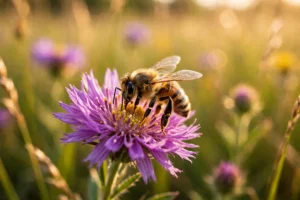
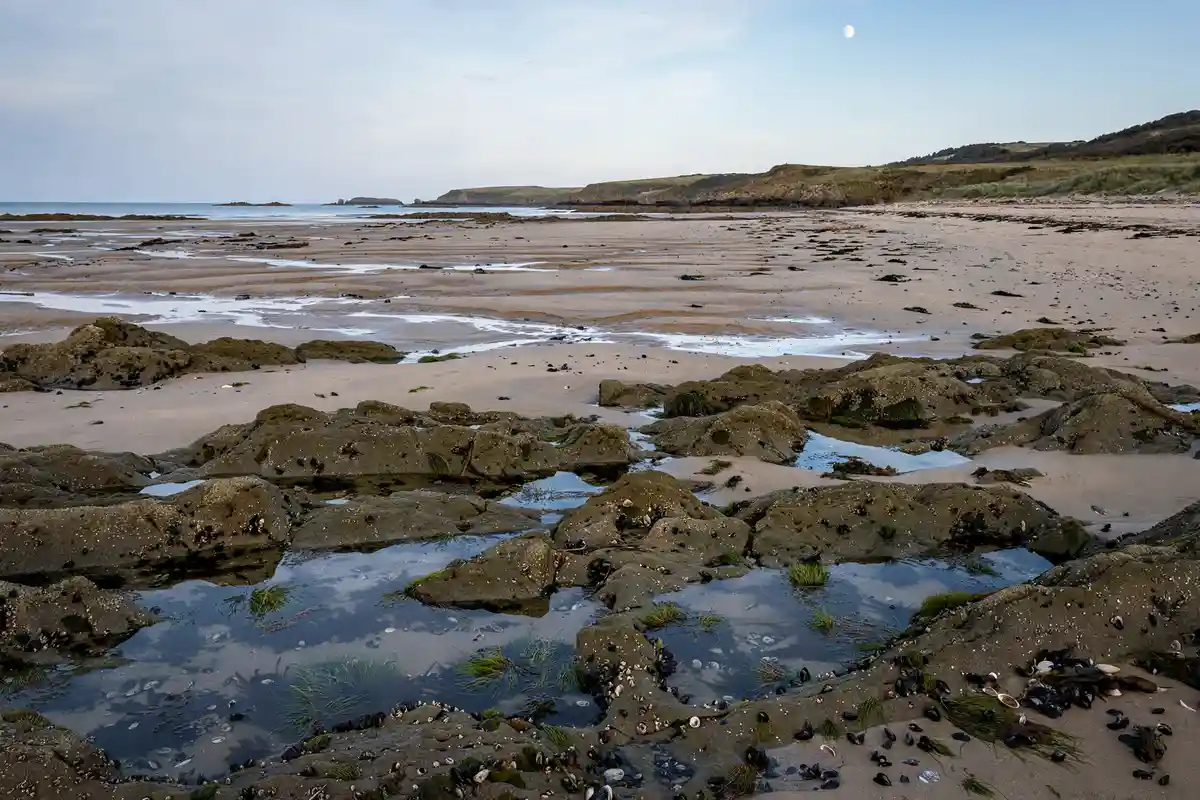
Walk through a forest, a meadow, or even a city park, and you will see biodiversity in action. Birds sing from different trees, insects move among flowers, fungi break down fallen leaves, and tiny organisms in the soil quietly keep the whole system running. Biodiversity is a short word for all of that living variety. It covers the number of different species in a place, the genetic differences within each species, and the variety of ecosystems themselves, from wetlands and grasslands to coral reefs and deserts.
Why should that variety matter to people who may never visit a rainforest or a reef? Because human life depends on living systems in ways that are easy to overlook. Crops need pollinators, healthy soil needs microbes, clean water often passes through wetlands, and forests help steady the climate. When living variety shrinks, those natural services can weaken too. Biodiversity is not just a list of pretty species. It is the living network that supports food, water, medicine, and the places we enjoy.
The Three Levels of Biodiversity
Scientists usually describe biodiversity at three levels, and each one matters. Species diversity is the most familiar level: how many different kinds of plants, animals, fungi, and microbes live in an area. A tropical forest with hundreds of tree species has high species diversity, while a single-crop field has very low species diversity. More species often means more roles are filled, from pollinators and seed spreaders to predators that keep other populations in balance.
Genetic diversity is the second level, and it lives inside each species. Two oak trees may look alike, yet carry different genetic traits that help one resist drought and the other resist disease. That hidden variety gives a species a better chance of adapting when conditions change. Farmers and gardeners know this from experience: planting only one variety of a crop can leave a whole harvest vulnerable to a single pest or illness, while a mix of varieties spreads the risk. The same principle applies in wild populations, where genetic variety is a kind of insurance for the future.
Ecosystem diversity is the third level. It refers to the variety of habitats and the communities that live in them. A coastline with beaches, marshes, and seagrass beds supports different life than a mountain valley with forests, streams, and alpine meadows. Each ecosystem works in its own way, and together they create a patchwork that can absorb shocks better than any single habitat alone. Protecting only one kind of place, while losing the rest, leaves the whole network weaker. That is why conservation work often focuses on science’s role in protecting ecosystems as connected systems, not just single species.
Why Biodiversity Matters for Everyday Life
The benefits of biodiversity show up in ordinary routines. Much of the food on American tables depends on pollinators, soil life, and the wild relatives of crops that breeders use to develop hardier varieties. Forests and wetlands help filter water and slow floods, which protects homes and farms downstream. Plants and microbes have also given medicine many of its starting points, and researchers continue to study natural compounds for new treatments. None of this means every species has an obvious use. It means the system as a whole provides value that is hard to replace once it is gone.
Biodiversity also supports resilience. A diverse grassland is more likely to keep growing through a dry year, because different plants use water and nutrients in different ways. A diverse forest is more likely to recover after a storm, because some species grow fast in open light while others thrive in shade. This resilience matters more as weather patterns shift and land use changes. When scientists study how carbon capture technology works or how forests store carbon, they are studying part of the same larger story: living systems and the climate are deeply linked, and variety helps both stay steadier.
What Puts Biodiversity at Risk
The main pressures on biodiversity are familiar, and most of them come from how people use land and resources. Habitat loss is often the biggest one. When forests are cleared, wetlands are drained, or grasslands are paved, the species that lived there lose the places they need to feed, breed, and shelter. Even when some habitat remains, breaking it into small, isolated patches can be a problem, because animals may not be able to move between patches to find mates or food.
Other pressures include pollution, overuse of resources, and the spread of invasive species that outcompete native plants and animals. Climate change adds another layer, shifting temperature and rainfall patterns faster than some species can adjust. These pressures rarely act alone. A wetland stressed by pollution, for example, may be less able to cope with a drought, and a forest cut into fragments may be more open to invasive plants. Understanding these combined pressures helps explain why protecting biodiversity takes more than saving one animal at a time. It takes care of habitats, water, soil, and the connections between them.
How People Can Help Protect Biodiversity
Protecting biodiversity can sound like a job only for scientists and governments, but everyday choices matter too. One of the most useful steps is to support native plants in your own yard or balcony. Native plants are adapted to local soil and weather, and they provide food and shelter for local insects, birds, and other wildlife. Even a small patch of native flowers can become a busy stop for pollinators, especially if it offers blooms across different seasons. Avoiding pesticides when possible also helps, since those chemicals can harm the very insects and soil life that keep a garden healthy.
Other steps are just as practical. Reducing waste, reusing materials, and choosing products with less packaging all lower pressure on land and resources. Eating a varied diet with plenty of plant-based meals, when that fits your health needs, can also reduce pressure on land used for intensive farming. Supporting local parks, nature reserves, and community conservation groups helps protect habitats close to home. And learning to notice nature, whether by joining a bird count or simply observing your neighborhood, builds the awareness that leads to better decisions. Small actions add up when many people take them, much as the fascinating world of microbiology shows how tiny organisms together shape soil, water, and health.
Biodiversity Close to Home
You do not need to travel far to see biodiversity. A city park may host dozens of bird species over a year, along with squirrels, fungi, insects, and a rich community of soil life you never see. A backyard pond can support frogs, dragonflies, and water plants, each playing a role. Even a sidewalk crack can hold hardy mosses and tiny plants that survive heat and foot traffic. Paying attention to these everyday examples changes how you see your neighborhood. It stops looking like a backdrop and starts looking like a living place.
That shift in view is valuable for children as well as adults. Kids who explore nature, ask questions, and learn species names often grow into adults who care about protecting it. Simple activities work best: turning over a log to see what lives underneath, then gently putting it back; watching which flowers bees visit; or noticing how bird songs change with the seasons. These moments build curiosity, and curiosity is the starting point for science. As with a journey into scientific inquiry, the habit of looking closely and asking why is more important than memorizing facts.
Another way to appreciate biodiversity is to notice how seasons change a single place. The same park in spring, summer, autumn, and winter hosts different flowers, insects, and birds, and the soil community shifts with temperature and moisture. That seasonal turnover is itself a form of diversity, and it reminds us that nature is not a fixed picture. It is a living calendar, with each chapter depending on the ones before it. Protecting a place through all its seasons, not just its prettiest month, is part of protecting it well.
How Citizen Science Supports Biodiversity
Ordinary people now contribute directly to biodiversity science in ways that were impossible a generation ago. With a phone camera and a nature-identification app, a walker can record a wildflower, a bird, or an insect, and that record, with its date and location, can help researchers track where species live and how their ranges shift over time. Bird counts, butterfly surveys, and stream-monitoring programs all rely on volunteers, and their data often cover far more places than professional scientists could visit alone. That coverage matters, because biodiversity change is often local and gradual, and it is easiest to spot when many eyes are watching many places over many years.
Urban nature deserves special attention in this work. Cities may seem hostile to wildlife, yet parks, gardens, green roofs, river corridors, and even street trees can support surprising variety when they are connected and managed with wildlife in mind. A garden that leaves some areas a little wild, a park that keeps dead wood for insects and fungi, and a neighborhood that plants native trees along streets all add habitat pieces to a larger urban patchwork. Scientists increasingly study cities as ecosystems in their own right, not just as gaps between wild places, and their findings suggest that thoughtful urban design can protect biodiversity where most people actually live.
Biodiversity is, in the end, a story about relationships. Species depend on each other, genes carry options for the future, and ecosystems hold those relationships together. When we protect variety, we protect the choices nature will need to adapt, recover, and keep providing the services we rely on. Readers who want to follow that story further can explore how vaccines work with the immune system, how DNA carries genetic information, how mRNA works in cells, what stem cells can do, how CRISPR gene editing works, what gene therapy involves, how research shapes everyday life, and the latest discoveries in science. Each one shows a different thread in the same living web, and together they explain why variety is not a luxury. It is the foundation of a healthy planet.