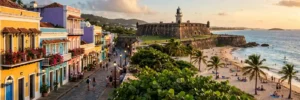
Choosing where to go can be challenging because the continent is so geographically diverse. Some destinations are ideal for history and culture, while others are better suited to hiking, wildlife watching, beach holidays, or scenic road trips. This guide covers 25 of the best places to visit in South America, with practical advice to help you decide where to go, how to plan your itinerary, and what makes each destination special.
Best Places to Visit in South America at a Glance
- For ancient history: Machu Picchu, Cusco, and the Sacred Valley in Peru.
- For spectacular scenery: Patagonia, Torres del Paine, and Perito Moreno Glacier.
- For wildlife: The Amazon Rainforest, Galápagos Islands, and Pantanal.
- For vibrant cities: Buenos Aires, Rio de Janeiro, Lima, and Santiago.
- For dramatic natural wonders: Iguazu Falls, Salar de Uyuni, and the Atacama Desert.
- For beaches and coastal culture: Cartagena, Punta del Este, and Rio de Janeiro.
1. Machu Picchu, Peru
Machu Picchu is one of South America’s most recognizable landmarks. Located high in the Peruvian Andes, this remarkable Inca archaeological site features stone structures, agricultural terraces, and mountain views that make the journey memorable. Its historical significance and dramatic setting attract travelers from around the world.
Visitors can explore designated archaeological routes, learn about Inca engineering, and admire the surrounding peaks. Many travelers combine Machu Picchu with a stay in Cusco and time in the Sacred Valley. Advance planning is important because entry tickets and access to particular circuits can be limited.
Best for: History lovers, cultural travelers, photographers, and hikers.
2. Rio de Janeiro, Brazil
Rio de Janeiro combines famous beaches, forested mountains, lively neighborhoods, and a celebrated music culture. Copacabana and Ipanema are popular places to enjoy the coastline, while Sugarloaf Mountain offers sweeping views across the city and Guanabara Bay.
The Christ the Redeemer monument is another major attraction, and the city’s neighborhoods provide opportunities to experience Brazilian food, music, and everyday life. Travelers should allow time for beaches and sightseeing rather than trying to fit everything into one day. Choose accommodation carefully and follow local safety advice, particularly when traveling after dark.
Best for: Beach holidays, city breaks, photography, and cultural experiences.
3. Buenos Aires, Argentina
Buenos Aires is known for its elegant architecture, historic avenues, café culture, and tango traditions. The capital offers a distinctive mix of European influences and Argentine identity, making it an appealing destination for travelers interested in food, arts, and urban exploration.
Explore the colorful streets of La Boca, browse the markets of San Telmo, and spend time in Palermo’s parks, restaurants, and cafés. Plaza de Mayo is a useful starting point for understanding the city’s political history. Visitors can also attend a tango performance or enjoy a traditional Argentine meal.
Best for: Food enthusiasts, architecture lovers, nightlife, and cultural sightseeing.
4. Patagonia, Argentina and Chile
Patagonia stretches across southern Argentina and Chile and is famous for its expansive wilderness, rugged mountains, turquoise lakes, glaciers, and windswept landscapes. It is one of the continent’s most rewarding regions for travelers who prefer outdoor adventures and dramatic scenery.
Popular experiences include hiking, wildlife watching, visiting remote lakes, and exploring small gateway towns. Patagonia is a large region, so choose a base according to the activities you want to enjoy. Weather can change quickly, and travel between destinations may take longer than expected.
If you enjoy remote landscapes, you may also like our guides to the most popular places to visit in New Zealand and the best places to visit in the Scottish Highlands.
Best for: Trekkers, photographers, nature enthusiasts, and adventure travelers.
5. Iguazu Falls, Argentina and Brazil
Iguazu Falls is an immense waterfall system on the border between Argentina and Brazil. Hundreds of cascades spread across a broad stretch of subtropical forest, creating a spectacular display of rushing water, mist, and rainbows.
Both countries offer viewpoints and walking routes, but each side provides a different perspective. The Argentine side generally offers more opportunities to walk near individual sections of the falls, while the Brazilian side is known for its broad panoramic views. Allow enough time to explore safely and prepare for wet conditions around the walkways.
Best for: Nature lovers, families, photographers, and outdoor sightseeing.
6. Cusco, Peru
Cusco was the historic capital of the Inca Empire and remains one of Peru’s most fascinating cultural destinations. Its streets combine Inca stonework with colonial-era buildings, while its plazas, markets, museums, and churches offer plenty to explore.
Spend time in the historic center, visit traditional markets, and sample regional dishes. Cusco is also a major starting point for trips to Machu Picchu and the Sacred Valley. Because the city sits at high elevation, visitors should allow time to acclimatize before undertaking strenuous activities.
Best for: History, architecture, regional cuisine, and cultural travel.
7. Galápagos Islands, Ecuador
The Galápagos Islands are renowned for their unusual wildlife and remarkable natural environments. Visitors may encounter giant tortoises, marine iguanas, sea lions, and seabirds in habitats that have made the archipelago an important destination for nature and conservation tourism.
Activities include guided wildlife walks, snorkeling, kayaking, and boat excursions between islands. Travel arrangements should follow local conservation rules, including restrictions on wildlife interactions and access to protected areas. Choose operators that follow responsible tourism practices.
Best for: Wildlife enthusiasts, nature photographers, snorkeling, and educational trips.
8. Santiago, Chile
Santiago combines modern urban neighborhoods, historic landmarks, museums, restaurants, and mountain scenery. The Andes form an impressive backdrop, while parks and viewpoints provide a welcome break from the busy city center.
Explore the Plaza de Armas, visit museums, and take in the views from San Cristóbal Hill. Santiago can also serve as a base for excursions to nearby wine regions and mountain destinations. If you plan to travel outside the city, check seasonal road and weather conditions before departure.
Best for: City breaks, museums, food, and mountain views.
9. Atacama Desert, Chile
The Atacama Desert is famous for its arid landscapes, unusual rock formations, salt flats, lagoons, and clear night skies. Around San Pedro de Atacama, travelers can arrange excursions to desert valleys, high-altitude lakes, and other striking natural attractions.
Stargazing is a major highlight because many areas experience exceptionally dry conditions. Daytime temperatures can be intense, while nights may be cold. Bring sun protection, plenty of water, and suitable clothing. Travelers visiting high-altitude sites should also account for the effects of elevation.
Best for: Stargazing, landscape photography, geology, and desert adventures.
10. Lima, Peru
Lima is a coastal capital celebrated for its culinary traditions, historic districts, museums, and Pacific Ocean views. Travelers can explore colonial architecture in the historic center and enjoy the parks, cafés, and waterfront paths of Miraflores.
The Barranco neighborhood is known for its artistic atmosphere, while Lima’s restaurants showcase the country’s varied ingredients and regional cooking styles. Try local specialties, explore cultural attractions, and leave time to experience the city’s neighborhoods rather than treating Lima only as a transit stop.
Best for: Food tourism, history, museums, and coastal city experiences.
11. Lake Titicaca, Peru and Bolivia
Lake Titicaca sits high in the Andes on the border between Peru and Bolivia. Its broad blue waters, surrounding mountain scenery, and long-standing Indigenous communities make it an important destination for cultural and landscape-focused travel.
Travelers can take boat excursions, visit selected islands, and learn about local traditions through responsible community tourism. The altitude can affect visitors who arrive too quickly from lower elevations, so plan a gradual route and allow time to rest.
Best for: Cultural experiences, high-altitude landscapes, and slower-paced travel.
12. Torres del Paine National Park, Chile
Torres del Paine National Park is one of Patagonia’s most celebrated wilderness areas. Its granite peaks, glaciers, lakes, and wide-open valleys attract hikers and photographers seeking dramatic natural scenery.
Visitors can choose short day walks or multi-day trekking routes, depending on their fitness and available time. Book campsites and refuges ahead when required, and prepare for rapidly changing weather. Stay on marked trails and follow park rules to help protect fragile habitats.
For more inspiration about outdoor destinations, explore our guide to nature-focused places to visit in Slovakia.
Best for: Hiking, camping, wildlife observation, and landscape photography.
13. Salar de Uyuni, Bolivia
Salar de Uyuni is an enormous salt flat in southwestern Bolivia, famous for its seemingly endless white surface and unusual optical effects. During suitable wet-season conditions, a thin layer of water can create mirror-like reflections of the sky.
Guided four-wheel-drive tours often include salt-flat viewpoints, unusual rock formations, and other high-altitude landscapes in the surrounding region. Conditions vary throughout the year, and water coverage can affect access. Choose an experienced operator and prepare for cold temperatures and strong sunlight.
Best for: Photography, unusual landscapes, road adventures, and stargazing.
14. Cartagena, Colombia
Cartagena is a colorful Caribbean port city with a historic walled center, colonial architecture, lively plazas, and a relaxed coastal atmosphere. Its narrow streets, balconies, and brightly painted buildings make the old town especially rewarding to explore on foot.
Visit the historic fortifications, browse local shops, and sample Caribbean Colombian food. Boat trips to nearby islands can add a beach day to the itinerary. The tropical climate can be hot and humid, so plan outdoor sightseeing for cooler hours and carry water.
Best for: History, architecture, coastal excursions, and romantic getaways.
15. The Amazon Rainforest, Brazil, Peru, and Neighboring Countries
The Amazon Rainforest is one of the world’s most important tropical ecosystems and spans several South American countries. Its rivers, dense vegetation, and extraordinary biodiversity make it a compelling destination for travelers interested in wildlife and environmental conservation.
Visitors can arrange guided river trips, forest walks, and stays at established lodges. Wildlife sightings are never guaranteed, and responsible travel means respecting local communities, avoiding disturbance to animals, and following guides’ safety instructions. Choose a destination based on access, season, comfort, and the type of experience you want.
Best for: Wildlife watching, guided nature experiences, and eco-tourism.
16. Medellín, Colombia
Medellín is a lively city set in a green valley and known for its cultural attractions, public spaces, and pleasant climate relative to many other tropical destinations. Neighborhoods, museums, gardens, and public transport provide different ways to explore the city.
Visitors can learn about local history, discover contemporary art, and enjoy regional food. Guided neighborhood tours can add context to the city’s transformation and cultural identity. As in other large cities, research accommodation areas and follow local guidance on personal safety.
Best for: Urban culture, food, art, and city exploration.
17. The Pantanal, Brazil
The Pantanal is a vast tropical wetland known for its wildlife and seasonal floodplains. It offers excellent opportunities to observe birds, capybaras, caimans, and, in some areas, jaguars with experienced guides.
Wildlife viewing depends on the season, water levels, and location. Guided boat trips and land excursions help visitors explore the landscape while minimizing disturbance to animals. Select operators that prioritize conservation and keep appropriate distances from wildlife.
Travelers interested in wildlife-focused journeys may also enjoy our guides to places to visit in South Africa and safer travel planning in South Africa.
Best for: Wildlife photography, birdwatching, and guided nature tours.
18. Quito, Ecuador
Quito, Ecuador’s capital, sits high in the Andes and features a historic center filled with plazas, churches, and colonial architecture. Its mountain setting creates impressive viewpoints, while museums and local markets provide insight into Ecuadorian culture.
Spend time exploring the old town, sample traditional dishes, and plan excursions according to your interests and altitude tolerance. Weather can change quickly, so bring layers even when daytime conditions seem warm.
Best for: Heritage tourism, architecture, mountain scenery, and cultural excursions.
19. Perito Moreno Glacier, Argentina
Perito Moreno Glacier, located in Los Glaciares National Park, is one of Argentina’s most remarkable natural attractions. Its immense ice face, blue crevasses, and surrounding mountains create a dramatic setting near the waters of Lago Argentino.
Visitors can admire the glacier from designated viewing walkways or book permitted boat excursions. Specialized guided ice trekking may also be available under specific conditions. Follow park instructions, keep to authorized areas, and check tour requirements before arrival.
Best for: Glacier scenery, photography, boat trips, and guided outdoor activities.
20. Mendoza, Argentina
Mendoza lies near the Andes and is internationally known for its vineyards, mountain scenery, and regional cuisine. The surrounding wine-producing areas offer opportunities to learn about grape growing, visit wineries, and enjoy meals featuring local ingredients.
Beyond wine tourism, visitors can arrange outdoor activities in the foothills and use Mendoza as a starting point for selected Andean excursions. If visiting wineries, book tastings in advance and arrange safe transport rather than driving after drinking.
Best for: Culinary travel, vineyards, mountain views, and relaxed itineraries.
21. La Paz, Bolivia
La Paz is a distinctive high-altitude city surrounded by steep hills and dramatic Andean scenery. Its markets, museums, historic buildings, and cable-car transport system give visitors several ways to understand everyday life in Bolivia.
Explore the central districts, learn about local crafts, and consider a guided excursion to nearby landscapes. Because the city is at substantial elevation, give yourself time to adjust before strenuous walking or other physical activities.
Best for: Urban culture, markets, mountain views, and high-altitude travel.
22. Bariloche, Argentina
San Carlos de Bariloche, commonly called Bariloche, is a scenic destination in Argentina’s Lake District. It is known for mountain lakes, forested hills, outdoor recreation, and architecture influenced by Alpine styles.
In warmer months, visitors can hike, kayak, and explore scenic drives. Winter brings opportunities for snow sports when conditions permit. Lake viewpoints and local chocolate shops add variety to a trip, making Bariloche suitable for both outdoor adventures and relaxed holidays.
Best for: Lakes, mountains, seasonal outdoor activities, and family trips.
23. Arequipa, Peru
Arequipa is a historic Peruvian city recognized for its pale volcanic-stone architecture and views of surrounding volcanoes. Its central square, historic religious buildings, and traditional restaurants make it a rewarding stop for visitors exploring southern Peru.
The Santa Catalina Monastery is one of the city’s most distinctive attractions. Travelers may also use Arequipa as a starting point for organized excursions into the Colca Canyon region. Check tour difficulty and altitude before booking demanding activities.
Best for: Architecture, regional cuisine, history, and scenic excursions.
24. Punta del Este, Uruguay
Punta del Este is a popular coastal resort in Uruguay, known for its beaches, waterfront scenery, restaurants, and seasonal atmosphere. Different stretches of coastline offer different conditions, from calmer waters to beaches with stronger waves.
Visitors can relax by the sea, explore the marina, enjoy local dining, and take short excursions around the peninsula. The town is especially busy during peak summer periods, so accommodation and transport are worth arranging early.
Best for: Beach holidays, dining, coastal walks, and summer escapes.
25. Rio Grande do Sul’s Wine and Countryside Region, Brazil
Southern Brazil offers a different side of the country, with countryside landscapes, regional food traditions, small towns, and wine-producing areas. In Rio Grande do Sul, visitors can explore local cultural influences and enjoy a slower pace away from the major coastal cities.
Depending on the route, a trip may include winery visits, countryside drives, regional restaurants, and small-town attractions. Research opening days and transport options in advance, particularly if you plan to visit rural areas without a rental car.
Best for: Regional cuisine, countryside exploration, and travelers seeking alternatives to major cities.
How to Choose the Best South American Destination for Your Trip
The best destination depends on your interests, budget, available time, and tolerance for long journeys. South America is enormous, and trying to cover too many countries in a short trip can leave little time to appreciate individual places.
- For a first trip: Consider combining Peru’s historic sites with one or two destinations that are practical to reach on the same itinerary.
- For nature and hiking: Focus on Patagonia, Torres del Paine, the Atacama Desert, or selected areas of the Andes.
- For wildlife: Compare the Galápagos Islands, the Amazon, and the Pantanal based on season, budget, and the animals you hope to see.
- For food and culture: Buenos Aires, Lima, Medellín, and Mendoza each offer different culinary and cultural experiences.
- For beaches: Consider Rio de Janeiro, Cartagena, and Punta del Este, taking local weather and beach conditions into account.
- For a family trip: Choose destinations with manageable transport, suitable accommodation, and activities appropriate for the ages and needs of your group.
If you are comparing destinations around the world, you can also explore our guides to places with outstanding natural and cultural attractions, international travel destinations, and the best places to visit in Asia.
Best Time to Visit South America
There is no single best month for the entire continent because South America spans tropical, desert, temperate, and subpolar climates. Seasons in the Southern Hemisphere are generally opposite to those in North America and Europe, but local elevation and rainfall patterns can be just as important as the calendar.
For Patagonia, warmer months are often preferred for hiking, although weather remains changeable. The Andes can experience different conditions depending on elevation and rainy seasons. Tropical destinations such as the Amazon require careful consideration of rainfall, river levels, and the type of activities planned. Beach destinations may have their own busy seasons and weather patterns.
Before booking, check conditions for your specific destinations, confirm attraction opening schedules, and allow flexibility for weather-related changes. For more seasonal trip inspiration, see our guides to backpacking in Thailand, choosing places to visit in Thailand, and Vietnam destinations for couples.
Practical Travel Tips for South America
- Plan regional routes carefully: Distances between destinations can be large, and domestic flights or long overland journeys may be necessary.
- Check entry requirements: Visa rules, passport validity requirements, and entry conditions depend on your nationality and destination.
- Prepare for altitude: Cities and attractions in the Andes can sit thousands of meters above sea level. Allow time to acclimatize and seek medical advice if you have concerns about high-altitude travel.
- Pack for varied climates: One trip may include humid rainforest, dry desert, cool mountain nights, and coastal heat.
- Book popular attractions early: Some archaeological sites, national parks, guided hikes, and wildlife excursions have limited capacity.
- Use reputable local operators: This is especially important for remote excursions, boat trips, trekking, and wildlife experiences.
- Protect your belongings: Keep valuables secure, research neighborhoods before booking accommodation, and follow local safety advice.
- Respect local communities and nature: Follow protected-area rules, avoid disturbing wildlife, and support responsible local businesses.
- Keep travel documents accessible: Store copies of important documents separately and know how to contact your accommodation or tour operator.
More Travel Inspiration
South America is only one part of a world full of remarkable destinations. If you are planning a longer travel wish list, explore our guides to family-friendly places in Greece, places to visit in Egypt during summer, Northern Italy, winter destinations in Italy, the south of France, County Cork in Ireland, Transylvania in Romania, South Devon, and San Francisco.
Frequently Asked Questions
What is the number-one place to visit in South America?
There is no single best destination for every traveler. Machu Picchu is a leading choice for ancient history, Patagonia is outstanding for mountain scenery, the Galápagos Islands are famous for wildlife, and Rio de Janeiro appeals to visitors seeking beaches and city culture.
How many days do you need to explore South America?
A week can be enough to explore one destination or a compact regional itinerary. Two to three weeks allow more time to combine several places, while a longer trip is better for travelers hoping to visit multiple countries without rushing.
What is the best time of year to visit South America?
The ideal time depends on the destination and activities. Patagonia, the Amazon, the Andes, and coastal cities have different seasonal patterns, so research local weather and access conditions before choosing travel dates.
Is South America suitable for first-time international travelers?
Yes. Many destinations offer established tourism services, guided excursions, and a range of accommodation options. First-time visitors should plan transport carefully, research local safety conditions, and allow enough time to adjust to altitude or climate where necessary.
Which South American destinations are best for nature lovers?
Patagonia, Torres del Paine National Park, the Amazon Rainforest, the Pantanal, Iguazu Falls, and the Galápagos Islands are excellent choices for travelers interested in landscapes, wildlife, and outdoor experiences.
What should I consider when planning a multi-country South America trip?
Consider travel time, flight availability, border requirements, seasonal weather, altitude, and your overall budget. It is usually more rewarding to explore a smaller number of destinations thoroughly than to spend most of your trip moving between distant locations.
Final Thoughts
The best places to visit in South America offer an extraordinary range of experiences, from ancient Inca history and vibrant urban culture to remote glaciers, tropical forests, desert landscapes, and wildlife-rich islands. The right itinerary depends on whether you prefer adventure, relaxation, cultural discovery, or a combination of all three.
Start by choosing the experiences that matter most to you, then build a realistic route around geography, season, and travel time. With thoughtful planning, South America can deliver a rewarding journey filled with memorable landscapes, distinctive food, and meaningful encounters with the continent’s diverse cultures.