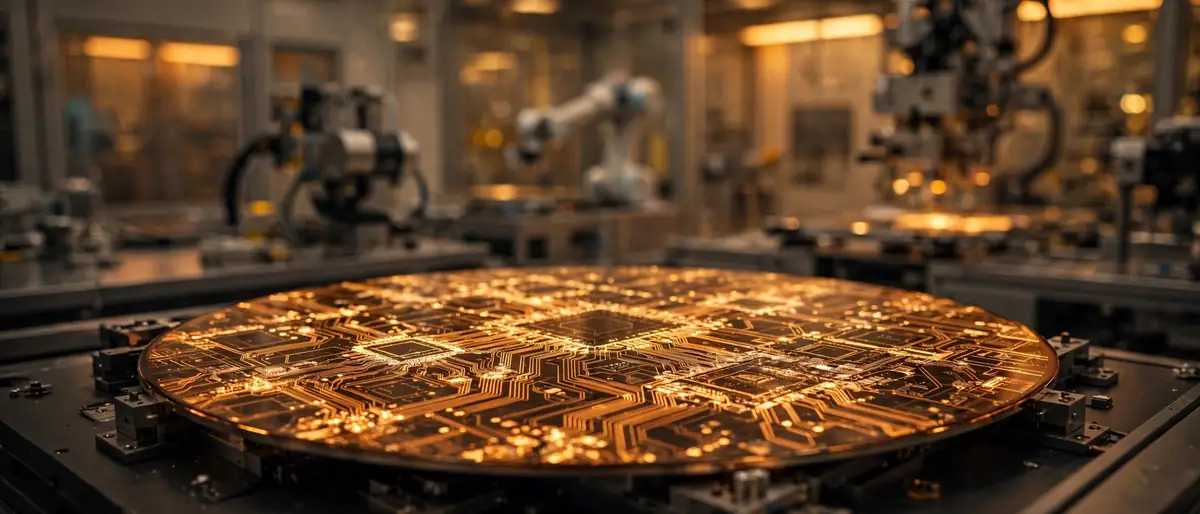
For years, climate news felt like a drumbeat of bad tidings. But in 2026, a different story is emerging: a wave of climate technology breakthroughs that are cutting emissions faster and cheaper than anyone predicted. From giant fans that pull CO2 from the sky to batteries that could wean the grid off fossil fuels, innovation is reshaping the fight against climate change — and showcasing science’s role in protecting our ecosystems.
Here are the climate tech breakthroughs that matter most in 2026 — and what they mean for America’s energy future and your wallet.
1. Solar and Batteries Keep Getting Cheaper
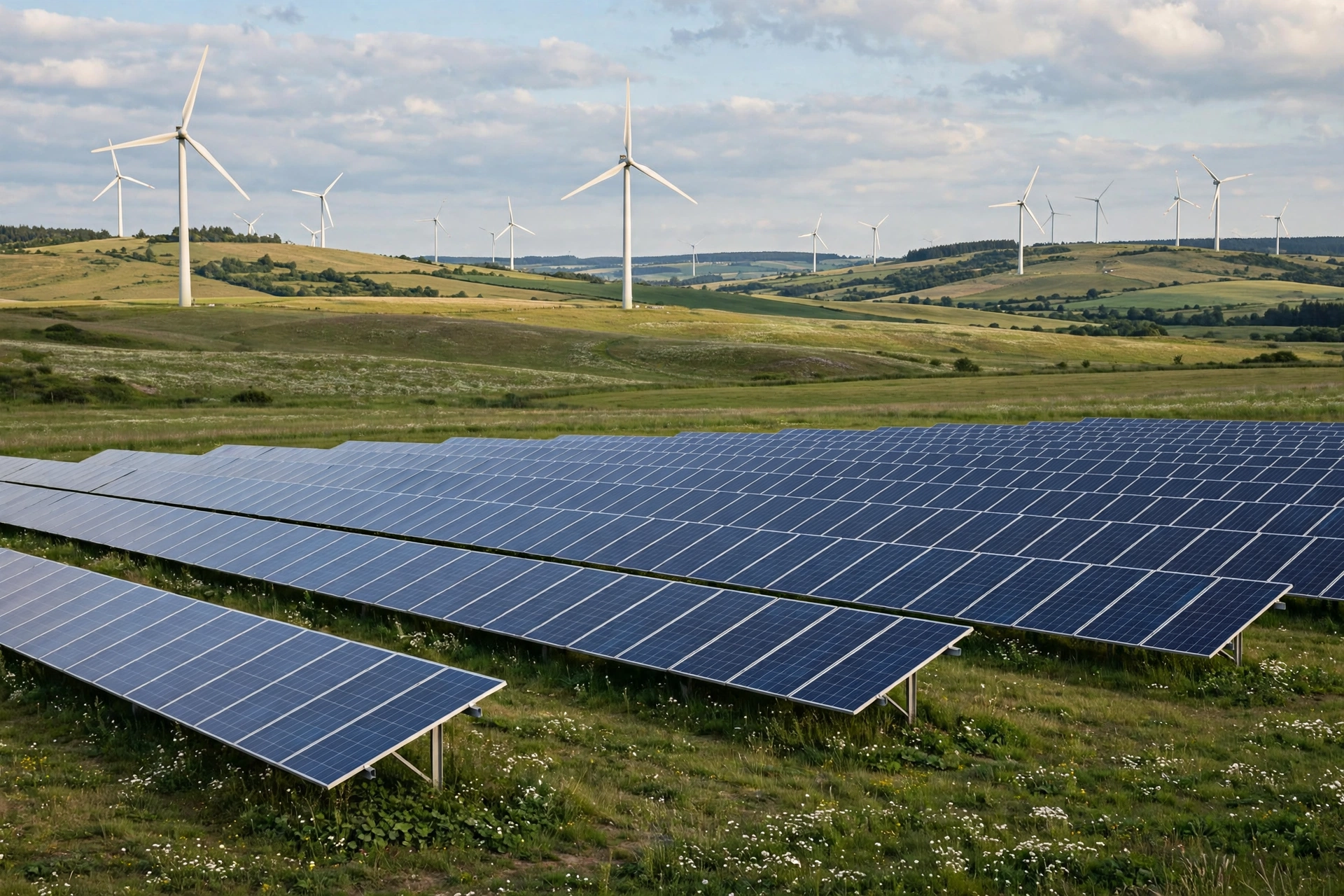
The most important climate story of the decade is also the simplest: clean energy keeps getting cheaper. Solar is now the cheapest source of new electricity in most of the United States, and battery costs have fallen roughly 90% over the past fifteen years. In 2026, pairing solar farms with giant batteries is outcompeting natural gas plants on price in sunny states like Texas, California, and Arizona.
For homeowners, rooftop solar plus a home battery increasingly pays for itself — and keeps the lights on during grid outages, a growing concern as extreme weather intensifies.
2. Direct Air Capture: Pulling CO2 from the Sky
Even with rapid emissions cuts, scientists say we will need to remove carbon already in the atmosphere. Direct air capture (DAC) does exactly that: giant facilities filter CO2 from ambient air so it can be stored underground permanently. The first commercial-scale DAC plants are now operating in the US, backed by federal incentives.
DAC is still expensive — hundreds of dollars per ton of CO2 — but costs are falling as the technology scales, following the same learning curve that made solar cheap. Think of it as an insurance policy for the planet’s hardest-to-eliminate emissions.
3. Green Hydrogen and the Cleanup of Heavy Industry
Some sectors — steel, cement, long-haul shipping, aviation — cannot easily run on batteries. Green hydrogen, made by splitting water with renewable electricity, offers a clean alternative. In 2026, the first green steel plants are coming online, and hydrogen-powered trucks are hauling freight on American highways.
The US hydrogen hubs program is seeding regional production centers, with Texas and the Pacific Northwest among the frontrunners. If costs keep falling, green hydrogen could decarbonize the toughest corners of the economy.
4. Nuclear’s Comeback: Small Reactors and Fusion Progress
Nuclear energy is enjoying a renaissance. Small modular reactors (SMRs) — factory-built, cheaper, and safer by design — are moving toward deployment — among the most promising emerging technologies — with several US projects in advanced stages. Tech companies hungry for 24/7 clean power for data centers are signing nuclear deals, giving the industry powerful new customers.
Fusion, the long-dreamed-of energy source of the stars, keeps hitting milestones too (see our nuclear fusion 2026 guide). While commercial fusion power remains years away, private investment is pouring in, and each record-breaking experiment brings the timeline closer.
5. Climate Tech You Can Use at Home
You do not need to wait for giant infrastructure to benefit from climate tech. Heat pumps — which heat and cool homes at remarkable efficiency (learn how a heat pump works) — are outselling gas furnaces in a growing number of states, often with generous rebates. Induction stoves, smart thermostats, and home batteries — all connected devices you can control from your phone — are going mainstream.
- Check your rebates: Federal tax credits and state programs can cut thousands off heat pumps, solar, and EVs.
- Electrify when replacing: When your furnace or water heater dies, going electric is usually the smartest move.
- Watch your utility: Many offer time-of-use rates that reward shifting usage to sunny, windy hours.
6. The Business Boom: Jobs and Investment
Climate tech is not just an environmental story — it is an economic one. Global investment in clean energy now exceeds $1.5 trillion a year, and America’s clean energy workforce has grown to millions of jobs spanning manufacturing, installation, and engineering. Former coal towns are becoming battery hubs; experienced energy workers are retraining for offshore wind and solar. For investors, climate tech funds rank among the fastest-growing segments of venture capital. The transition is creating opportunity at every level, from factory floors to Wall Street, and communities across the US are competing to attract the factories of the clean economy — a powerful example of how research shapes our everyday lives.
7. What to Watch in the Next Few Years
The latest and greatest technologies to watch: long-duration energy storage — novel batteries that store power for days, not hours — cleaner cement and steel reaching commercial scale, and AI-optimized grids that balance millions of solar panels and EVs in real time. Policy matters too: tax credits and clean-energy standards continue to accelerate deployment across the states. The direction is clear even if the pace varies by region. Every year, clean technology gets cheaper, better, and more deeply woven into the American economy — and the breakthroughs of 2026 are laying the foundation for an even faster transition ahead.
Conclusion
The climate tech breakthroughs of 2026 share a common thread: clean solutions are winning not just on ethics but on economics. Cheaper solar, better batteries, emerging hydrogen, and a nuclear revival are bending the emissions curve — and creating millions of American jobs in the process. The energy transition is no longer a distant promise; it is the biggest business opportunity of the decade, and it is happening now.
Nuclear power is back in the spotlight as clean energy — see our nuclear power plants 2026 guide to learn how today’s fission reactors generate carbon-free electricity.