The rise of these technologies is not simply about introducing newer gadgets or faster software. It is about creating new ways to solve problems, automate tasks, process information, improve decision-making, and connect people and systems. Understanding these developments can help businesses, professionals, students, and everyday technology users prepare for what comes next.
For readers interested in the wider technology landscape, exploring the latest tech trends provides useful context for understanding how individual innovations fit into broader technological change.
What Are Emerging Technologies?
Emerging technologies are innovations that are still developing, gaining adoption, or creating new applications across industries. Some are relatively new inventions, while others are established technologies that are evolving rapidly or being combined with other systems in new ways.
Examples include artificial intelligence, machine learning, robotics, the Internet of Things, autonomous vehicles, advanced computing, immersive digital experiences, biotechnology, and new approaches to software development.
The important characteristic is not simply that a technology is new. An emerging technology has the potential to significantly change how existing processes work or create entirely new opportunities.
Why Emerging Technologies Are Growing So Quickly
Several factors are contributing to the rapid development and adoption of emerging technologies.
Faster Computing and Better Infrastructure
Modern computing infrastructure allows increasingly complex applications to process enormous quantities of information. Cloud computing, specialized processors, high-speed networks, and distributed systems have created an environment in which advanced applications can be developed and deployed at scale.
Growing Demand for Automation
Organizations are looking for ways to reduce repetitive work, improve operational efficiency, and make better use of data. Automation technologies can handle routine processes while allowing people to focus on tasks requiring creativity, judgment, communication, and strategic thinking.
More Connected Devices
Phones, vehicles, appliances, industrial equipment, sensors, and other devices are increasingly connected to digital networks. This creates new opportunities for collecting information, monitoring systems, and responding to changing conditions.
The growing importance of this ecosystem can be seen in the impact of IoT and smart devices, where connected technology is changing both consumer experiences and business operations.
Artificial Intelligence and Intelligent Systems
Artificial intelligence is one of the most influential areas of emerging technology. AI systems can analyze large datasets, recognize patterns, generate content, assist with decisions, automate workflows, and interact with users through increasingly sophisticated interfaces.
AI is becoming particularly important because it can be integrated into existing software rather than requiring organizations to completely replace their technology infrastructure. Businesses can use intelligent systems for customer service, marketing, data analysis, cybersecurity, forecasting, and process automation.
The development of AI also connects with broader software innovation. Businesses and developers following software development trends can see how artificial intelligence is becoming part of modern development workflows.
The Internet of Things and Connected Technology
The Internet of Things, commonly known as IoT, refers to physical devices equipped with sensors, connectivity, and software that allow them to exchange information with other systems.
Smart thermostats, wearable devices, connected vehicles, industrial sensors, security systems, and smart appliances are examples of this broader ecosystem.
IoT can help organizations monitor equipment, identify potential problems, improve resource management, and automate operations. At home, connected devices can provide greater convenience and more personalized control.
For a broader look at this ecosystem, navigating the landscape of connected devices shows why connectivity has become an important part of modern technology.
Autonomous Vehicles and Intelligent Transportation
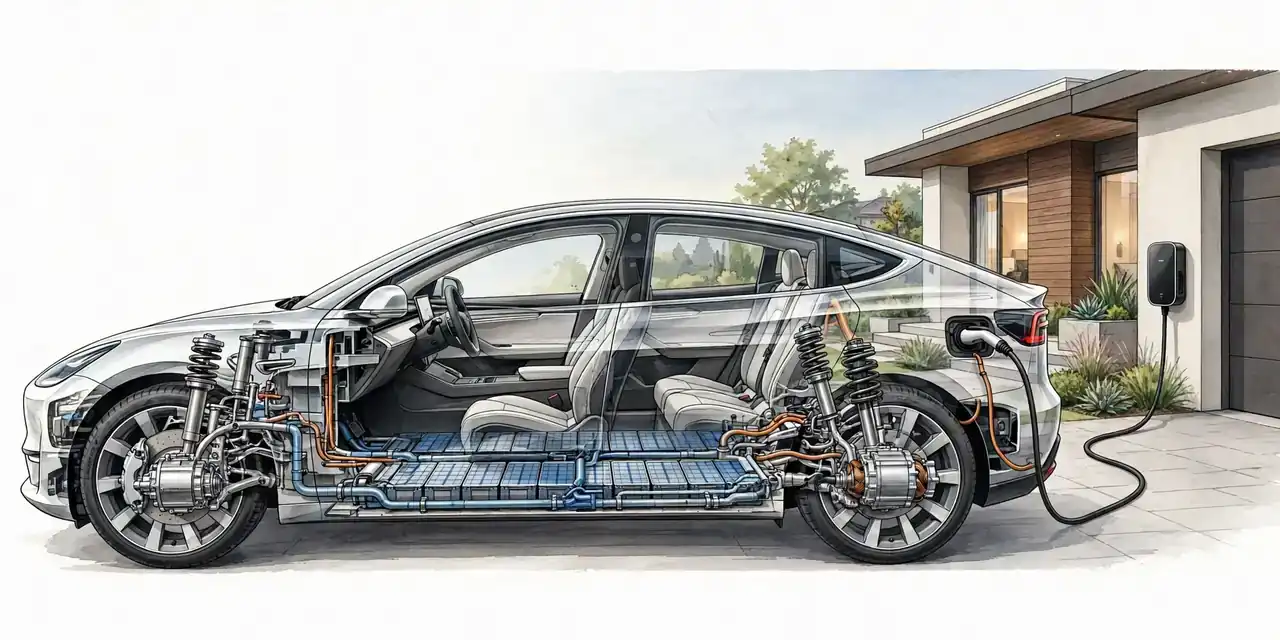
Transportation is another area experiencing significant technological change. Autonomous and semi-autonomous systems use combinations of sensors, cameras, software, mapping technologies, and artificial intelligence to help vehicles understand their surroundings and respond to changing conditions.
While fully autonomous transportation remains a complex technical and regulatory challenge, driver-assistance technologies are already influencing how modern vehicles are designed and operated.
The future of this field is explored further through the future of autonomous vehicles, which highlights how intelligent transportation systems could influence mobility and infrastructure.
Advanced Software and Digital Platforms
Software remains the foundation connecting many emerging technologies. Applications increasingly need to process real-time data, communicate with connected devices, integrate AI capabilities, and operate across cloud-based infrastructure.
This has changed the role of software development. Modern developers often work with APIs, automation platforms, cloud services, data pipelines, cybersecurity systems, and AI-powered tools rather than building isolated applications.
Organizations looking for practical ways to identify new opportunities can also benefit from tips for discovering hidden tech gems and evaluating technologies that may have potential beyond mainstream attention.
Robotics and Intelligent Automation
Robotics is increasingly moving beyond traditional manufacturing environments. Modern robots can combine sensors, machine learning, computer vision, and sophisticated control systems to perform tasks in warehouses, healthcare environments, agriculture, logistics, and other industries.
Intelligent automation can be particularly valuable when organizations need to perform repetitive tasks consistently or operate in environments that may be difficult or dangerous for people.
As robotics becomes more accessible, its development will increasingly overlap with advances in AI, connected devices, and high-performance computing.
Advanced Gadgets and Consumer Technology
Consumers are often among the first to encounter emerging technology through new devices. Smartphones, wearable technology, smart home equipment, portable computing devices, and other connected products continue to evolve.
Many of these products combine multiple technologies rather than relying on one innovation. A modern wearable device, for example, can incorporate sensors, wireless connectivity, health monitoring, cloud services, and intelligent data analysis.
For readers interested in consumer-facing innovation, the coolest gadgets of the year offers another perspective on how emerging technology reaches everyday users.
Emerging Technologies in Science and Research
Technology is also accelerating scientific discovery. Researchers increasingly use advanced computing, automation, data analysis, imaging technologies, and digital collaboration tools to investigate complex questions.
Scientific progress and technological innovation often reinforce each other. New scientific discoveries can produce new technologies, while better technology can give researchers tools for studying problems that were previously difficult to investigate.
This relationship is reflected in the journey into scientific inquiry, where technology plays an important role in expanding the ability to observe, analyze, and understand complex systems.
Biotechnology and the Future of Healthcare
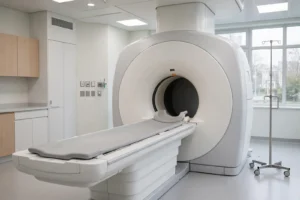
Biotechnology is another area where emerging technology could produce significant changes. Advances in biological research, computational analysis, medical technology, and laboratory automation are opening new possibilities for understanding diseases and developing treatments.
Modern healthcare increasingly relies on technology for diagnosis, monitoring, research, record management, and personalized care. The combination of biological data and computational tools may continue to influence healthcare innovation in the years ahead.
Developments in fields such as microbiology also demonstrate how scientific disciplines are being supported by increasingly sophisticated technologies. The fascinating world of microbiology provides useful context for understanding one of the scientific fields being influenced by technological progress.
Technology and Environmental Innovation
Emerging technology is not limited to commercial applications. It can also support efforts to improve energy efficiency, monitor ecosystems, reduce waste, and understand environmental changes.
Connected sensors can monitor environmental conditions, data systems can identify patterns, and advanced technologies can help organizations manage resources more efficiently.
The relationship between scientific innovation and environmental protection is explored in science’s role in protecting our ecosystems.
Cybersecurity and the Challenges of Digital Expansion
As more devices, applications, and services become connected, cybersecurity becomes increasingly important. A larger digital ecosystem creates more opportunities for useful innovation but can also introduce additional security risks.
Organizations need to consider identity management, data protection, network security, software vulnerabilities, access controls, and employee awareness when adopting new technologies.
For businesses considering technology infrastructure, managed IT security services illustrate how specialized technology support can become part of a broader digital strategy.
Emerging Technology and Digital Marketing
Marketing is also changing as businesses gain access to more sophisticated data and automation tools. AI-assisted content creation, customer analytics, personalization, marketing automation, and digital measurement are changing how organizations interact with audiences.
Technology can help marketers understand customer behavior, identify patterns, automate routine campaigns, and measure performance across multiple digital channels.
Businesses exploring this area can also examine advanced digital marketing strategies and the growing relationship between technology, data, and marketing performance.
How Emerging Technologies Affect Businesses
The business impact of emerging technology extends beyond simply purchasing new software or equipment. Successful adoption often requires organizations to reconsider workflows, employee responsibilities, customer experiences, and long-term strategy.
Businesses can use emerging technologies to:
- Automate repetitive processes
- Improve operational efficiency
- Analyze large amounts of data
- Improve customer experiences
- Develop new products and services
- Improve communication between systems
- Support faster decision-making
- Monitor equipment and infrastructure
- Reduce certain operational costs
- Create new business models
However, adopting technology simply because it is new can create unnecessary expenses. Organizations should first identify a real problem or opportunity and then determine whether a particular technology can provide measurable value.
Emerging Technologies and the Future of Work
Automation and AI are expected to influence many occupations, but technological change does not necessarily mean that every job will disappear. In many cases, technology changes the tasks people perform rather than eliminating entire roles.
Workers may increasingly collaborate with automated systems, use AI-powered tools, analyze digital information, and manage technology-enabled processes.
This makes digital literacy increasingly important. Professionals who understand how emerging technologies work and how to use them responsibly may be better positioned to adapt as industries evolve.
The Importance of Responsible Technology Adoption
Rapid innovation also creates important questions about privacy, security, reliability, accessibility, employment, and responsible use.
Organizations should evaluate how new systems collect and use information, how decisions are made, who has access to data, and what happens when automated systems make mistakes.
Responsible adoption means balancing innovation with practical risk management. The most successful technologies are not necessarily those that attract the most attention but those that solve meaningful problems in reliable and sustainable ways.
How to Prepare for the Next Wave of Technology
Individuals and organizations do not need to adopt every new technology immediately. A better approach is to monitor major developments and identify the innovations most relevant to specific goals.
A practical approach includes:
- Track major technology trends: Follow developments in AI, automation, connected devices, robotics, software, and other relevant fields.
- Identify practical problems: Determine where technology could improve productivity, customer service, operations, or decision-making.
- Test before scaling: Start with small projects and evaluate measurable results.
- Consider security: Assess privacy, cybersecurity, access, and data-management requirements.
- Train people: Technology is most effective when employees understand how to use it.
- Review results: Measure whether an implementation actually produces the expected benefits.
Readers wanting a broader overview of the technology landscape can also explore a journey through the high-tech universe to see how different technology areas connect with one another.
What Comes Next for Emerging Technologies?
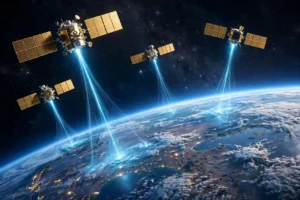
The next phase of technological development will likely involve greater integration. AI may become embedded in more applications, connected devices may communicate more seamlessly, autonomous systems may become more capable, and software may increasingly coordinate complex physical and digital environments.
Another important trend is convergence. Technologies that were once developed independently are increasingly being combined. AI can work with robotics, IoT devices can provide data for intelligent systems, cloud platforms can support connected infrastructure, and advanced software can coordinate physical operations.
This convergence makes it increasingly difficult to view emerging technologies as isolated categories. Instead, they form a larger technological ecosystem in which developments in one area can accelerate progress in another.
Final Thoughts
The rise of emerging technologies is reshaping the digital and physical world. Artificial intelligence, IoT, robotics, autonomous systems, advanced software, biotechnology, and connected devices are creating new possibilities across industries and everyday life.
The biggest opportunity is not simply to adopt the newest technology. It is to understand how innovation can solve real problems, improve experiences, support people, and create sustainable value.
As technology continues to evolve, staying informed and approaching innovation strategically will become increasingly important. The organizations and individuals best prepared for the future will be those willing to learn, experiment, evaluate results, and adapt as the technology landscape changes.
Related Technology Topics
For additional reading, explore how research shapes our everyday lives, the latest tech trends, and software development trends to continue exploring the technologies influencing modern life.