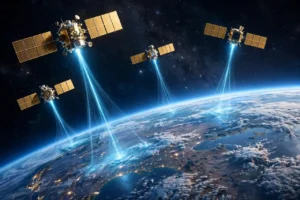
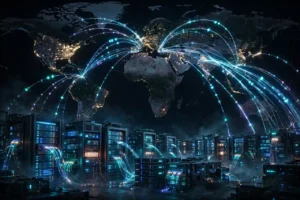
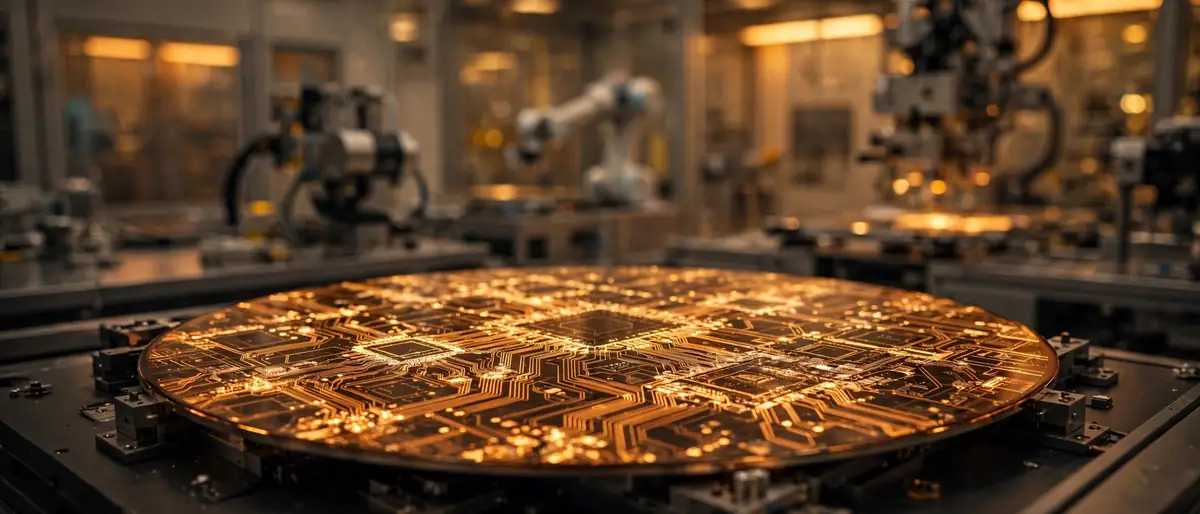
From international affairs and emerging technologies to environmental issues, scientific progress, travel, business, and society, global events are increasingly interconnected. A change in one region can influence markets, transportation, technology, energy, or everyday life elsewhere.
This guide provides a broad overview of the major areas that continue to shape global conversations and explains how readers can understand rapidly changing world developments without becoming overwhelmed by individual headlines.
Why Keeping Up With World Events Matters
International news can seem distant, but many global developments have direct or indirect effects on everyday life. Changes in international trade can influence product prices. Technological advances can change the workplace. Environmental developments can affect communities and travel. Scientific discoveries can influence healthcare, education, and industry.
Following international stories can therefore provide useful context for understanding developments beyond one’s immediate community.
At the same time, staying informed does not mean consuming every breaking headline. A better approach is to identify the major themes developing across regions and industries and then examine how those themes connect.
International Affairs Remain a Major Focus
International relations continue to influence diplomacy, security, trade, transportation, and economic planning. Governments regularly negotiate over issues that extend beyond national borders, including commerce, energy, technology, security, migration, and environmental cooperation.
A useful news and analysis overview from around the world can help place individual developments into a broader international context.
Rather than looking at one headline in isolation, readers should consider the relationships between countries, the economic interests involved, and the potential regional consequences of major decisions. International developments often evolve over weeks, months, or years rather than being resolved by a single announcement.
Global Headlines and the Speed of Information
The speed at which information travels has transformed the way people experience world events. A development occurring on one side of the planet can become a global conversation within minutes.
The continuing flow of global headlines makes it easier to discover important developments, but it also creates a challenge: separating meaningful information from short-lived noise.
Readers benefit from looking beyond headlines and considering the context, timeline, and wider implications of an event. This approach can make a world-events recap more useful than a simple collection of breaking-news notifications.
Technology Continues to Reshape Global Society
Technology remains one of the most influential forces affecting modern society. Artificial intelligence, automation, connected devices, software development, advanced computing, and digital communication continue to influence businesses and consumers.
Readers interested in the broader latest technology trends can see how innovation is moving across multiple industries rather than remaining limited to traditional technology companies.
The rise of emerging technologies is also changing expectations around productivity, transportation, communication, entertainment, and professional services.
Another important development is the growing presence of connected products. The Internet of Things and smart devices are creating increasingly connected homes, workplaces, vehicles, and public infrastructure.
Artificial Intelligence and the Future of Work
Artificial intelligence has become an important part of discussions about business, education, employment, creativity, and productivity. Organizations are exploring ways to use intelligent software for research, customer service, data analysis, content creation, automation, and decision support.
The long-term effects of AI will likely extend beyond individual applications. Changes in software capabilities can influence how companies organize teams, how professionals develop skills, and how consumers interact with digital services.
These developments also connect with wider software development trends, as developers increasingly work with automation, cloud platforms, connected systems, and intelligent tools.
Connected Devices Are Becoming More Important
Smart devices are another major part of the evolving technology landscape. Phones, wearable devices, household systems, vehicles, and industrial equipment can increasingly exchange information through connected networks.
This trend is contributing to a more interconnected digital environment. Consumers can manage many aspects of their daily routines through connected products, while businesses can use data to monitor operations and improve efficiency.
The growing landscape of connected devices also raises questions about security, privacy, compatibility, reliability, and responsible data management.
Science Continues to Influence Global Priorities
Scientific research remains fundamental to understanding many of the challenges facing society. Researchers study climate systems, ecosystems, microorganisms, human health, materials, energy, and countless other areas that influence the future.
The role of science in protecting natural environments is particularly important. Research can help societies understand environmental changes and develop better approaches to conservation and resource management.
The role of science in protecting ecosystems demonstrates how research can connect directly with environmental policy, conservation, agriculture, and community planning.
At a smaller scale, research into microorganisms continues to contribute to scientific knowledge. The world of microbiology covers organisms and biological processes that have important implications for health, food, agriculture, and environmental science.
Research and Evidence Matter More Than Ever
As information becomes more abundant, the ability to evaluate evidence becomes increasingly valuable. Scientific inquiry is based on asking questions, gathering evidence, testing ideas, and refining conclusions when new information becomes available.
A deeper look into scientific inquiry highlights why evidence-based thinking remains important when evaluating complicated global issues.
This principle also applies to everyday news consumption. Readers should distinguish between confirmed developments, preliminary reports, commentary, predictions, and opinions. Doing so makes it easier to understand what is actually known and what remains uncertain.
Climate and Environmental Developments
Environmental issues continue to influence governments, businesses, communities, and individuals around the world. Climate patterns, natural ecosystems, energy use, resource management, pollution, and conservation are interconnected challenges.
Environmental developments can have economic consequences as well. Agriculture, tourism, infrastructure, insurance, transportation, and energy systems can all be affected by changing environmental conditions.
Understanding these connections is essential because environmental news is rarely isolated from broader economic and social developments.
Transportation Is Becoming More Technological
Transportation is another area where technology and global economic developments intersect. Automakers, technology companies, governments, and researchers are exploring electric mobility, automation, intelligent transportation systems, and other innovations.
The future of autonomous vehicles illustrates how transportation may evolve as sensors, software, artificial intelligence, and communication systems become more sophisticated.
Changes in transportation can have wider consequences for cities, logistics, energy consumption, employment, infrastructure, and travel. As a result, mobility is increasingly part of conversations about the future of technology and urban development.
Travel and Global Mobility
International travel remains closely connected to economic conditions, transportation infrastructure, public safety, cultural exchange, and regional developments. Travelers increasingly look for destinations that offer meaningful experiences while considering practical factors such as accessibility and seasonal conditions.
Broader travel trends can be explored through resources covering the world’s natural and cultural attractions.
Travel-related developments can also reveal wider changes in consumer behavior. People increasingly use digital platforms to research destinations, compare experiences, plan itineraries, and discover lesser-known locations.
Why Global Events Are Increasingly Connected
One of the most important lessons from following world events is that different categories of news rarely exist independently.
A technological breakthrough can influence manufacturing. Manufacturing changes can affect international trade. Trade can influence transportation and consumer prices. Environmental developments can affect agriculture and travel. Scientific research can influence technology and public policy.
This interconnectedness means that a useful global news recap should consider relationships between events rather than treating every headline as a separate story.
How Readers Can Follow World Events More Effectively
Following global developments does not require reading every story published each day. A structured approach can make information consumption more manageable.
- Start with major themes: Identify the international, economic, technological, scientific, and environmental issues receiving sustained attention.
- Look for context: Consider what happened before the current development and what factors may influence what happens next.
- Separate facts from commentary: Distinguish reported information from analysis, opinion, and predictions.
- Follow developments over time: Major global events often change rapidly, so one headline rarely provides the complete picture.
- Compare different subjects: Connecting technology, science, economics, travel, and international affairs can reveal broader trends.
Readers who enjoy keeping up with broader developments can also explore the latest and greatest developments across different areas of interest.
The Importance of Digital Literacy
Digital literacy has become an essential part of staying informed. The ability to evaluate information, identify context, recognize misleading claims, and understand how online information spreads can significantly improve the quality of news consumption.
The same skills are useful when exploring technology, science, business, entertainment, and travel information. Readers should remain curious while also recognizing that rapidly developing stories may change as additional information becomes available.
Looking Beyond Individual Headlines
A world-events recap is most valuable when it helps readers identify larger patterns. Instead of focusing exclusively on individual headlines, it can be useful to ask broader questions: How is technology changing society? How are environmental issues affecting communities? How are international relationships evolving? How is scientific research influencing future possibilities?
These questions create a more durable understanding of global developments than simply remembering isolated headlines.
What the Future of Global News May Look Like
The future information environment will likely become even faster and more interconnected. Artificial intelligence, automated reporting tools, social platforms, digital publications, and real-time communication will continue to influence how people discover information.
At the same time, the fundamental need for reliable context will remain. Technology can make information available instantly, but understanding that information still requires critical thinking and attention to evidence.
For that reason, the most useful world-news resources will continue to combine timely information with broader context, clear explanations, and connections between different areas of global life.
Final Thoughts
A meaningful recap of current world events should help readers understand more than what happened. It should provide context around international developments, technology, science, environmental issues, transportation, travel, and the broader forces shaping modern society.
The world is increasingly interconnected, and developments in one area can influence many others. By following major themes, evaluating information carefully, and looking beyond individual headlines, readers can build a clearer understanding of the changing global landscape.
For ongoing exploration, readers can also discover more technology developments through technology trend coverage and explore practical information about how research shapes everyday life.