Medicine is advancing at a pace that would have seemed like science fiction a decade ago. In 2026, doctors are editing genes to cure inherited diseases, artificial intelligence is spotting cancers earlier than ever, and a new generation of medicines is transforming the treatment of obesity, diabetes, and autoimmune conditions.
These health science breakthroughs are not distant promises — they are reaching American clinics and pharmacies right now. Here is what the latest discoveries in science mean for you and your family.
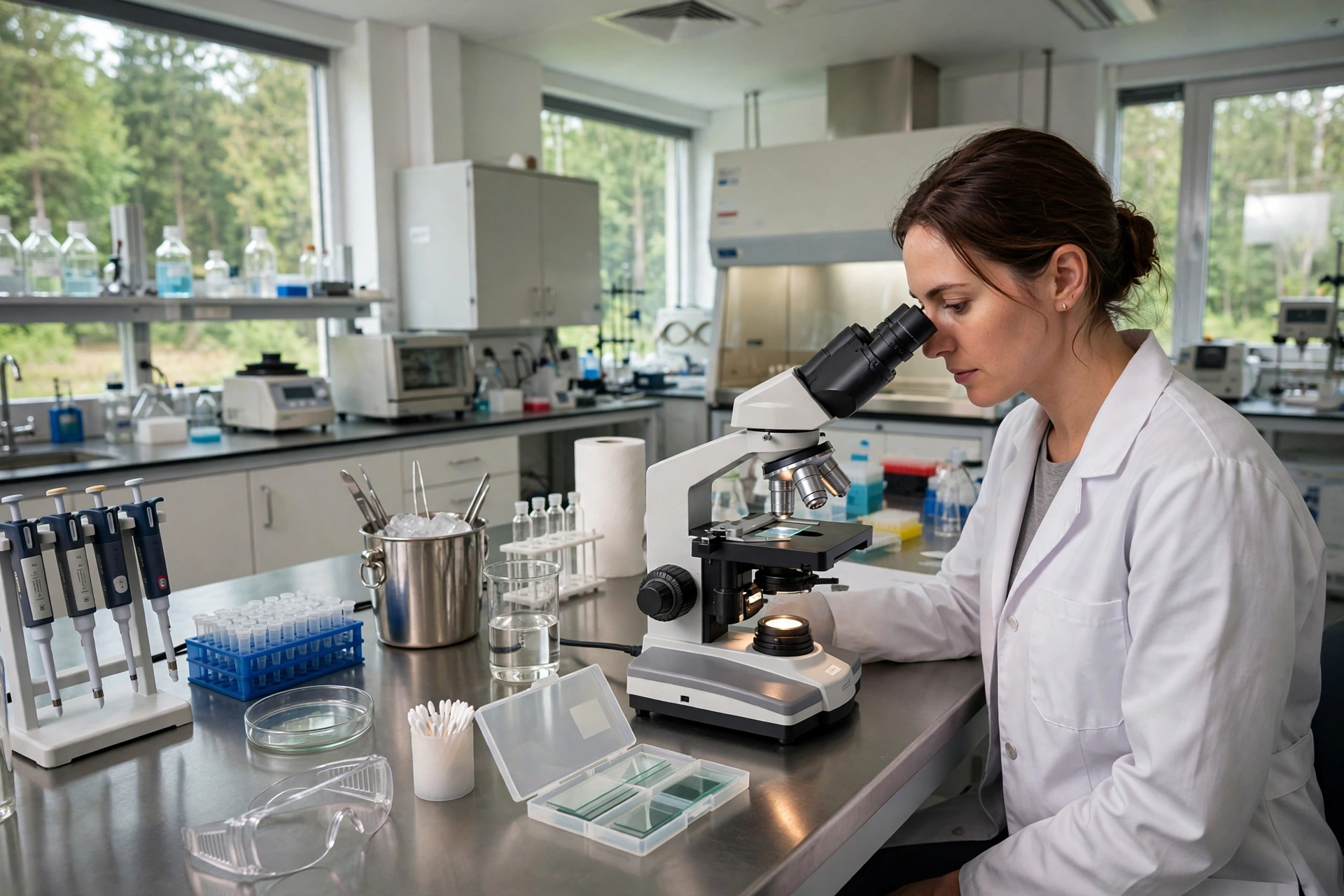
1. Gene Editing Grows Up: CRISPR Cures Arrive
CRISPR gene editing has moved from laboratory promise to real cures. The first CRISPR-based therapies for sickle cell disease and beta thalassemia are now treating patients in the United States, effectively rewriting the faulty genetic code that causes these painful inherited conditions. Dozens more gene-editing treatments — for blindness, high cholesterol, and rare genetic disorders — are advancing through clinical trials.
This is the payoff of decades of patient scientific inquiry: understanding DNA deeply enough to fix it. While gene therapies remain expensive, costs typically fall as manufacturing scales, and researchers are working on simpler delivery methods that could bring cures to far more patients.
2. AI in Diagnostics: Catching Disease Earlier
Artificial intelligence is becoming one of the most powerful tools in medicine. In 2026, FDA-cleared AI systems help radiologists detect breast cancer, lung nodules, and diabetic eye disease earlier and more accurately — often flagging subtle signs that even experienced specialists might miss. Early detection saves lives, and it usually means simpler, cheaper treatment.
Beyond imaging, AI models can now predict health risks from routine data: identifying patients likely to develop sepsis hours before symptoms appear, or flagging early signs of Alzheimer’s from speech patterns. It is a vivid example of how scientific research shapes our everyday lives, turning data into longer, healthier years.
3. A New Era of Medicines
The GLP-1 medicines originally developed for diabetes — now famous for weight loss — represent one of the biggest pharmaceutical breakthroughs in decades. In 2026, research shows benefits extending beyond weight: reduced heart risks, better sleep apnea outcomes, and promising trials for addiction and Alzheimer’s. New oral versions are making these treatments more accessible.
Meanwhile, advances in microbiology are unlocking the gut microbiome’s role in immunity, mood, and metabolism, spawning a new wave of “live” medicines. And antibody-drug conjugates — smart chemotherapies that target tumors while sparing healthy tissue — are improving cancer survival with fewer side effects.
4. Vaccines and mRNA: Beyond COVID
The mRNA vaccine technology proven during the pandemic is now being aimed at far more: personalized cancer vaccines tailored to a patient’s own tumor mutations are showing remarkable early results in melanoma and pancreatic cancer trials. mRNA flu vaccines promise better protection with faster manufacturing, and vaccines for RSV are now protecting American seniors and infants.
The platform’s speed is its superpower: once the genetic sequence of a threat is known, an mRNA vaccine candidate can be designed in days. That agility is reshaping how medicine prepares for future outbreaks.
5. Wearables and Remote Care Bring the Clinic Home
Healthcare is moving beyond hospital walls. Today’s smart devices — watches that take ECGs, rings that track sleep and recovery, continuous glucose monitors — give Americans clinical-grade insights once available only in doctors’ offices. In our landscape of connected devices, remote monitoring programs let physicians track heart failure and hypertension patients from home, catching problems before they become emergencies.
Telehealth, now a permanent fixture of American healthcare, means specialists are a video call away even in rural areas. The result: more preventive care, fewer ER visits, and patients who are genuine partners in managing their health.
6. Mental Health and Brain Science Breakthroughs
Brain science is having its own breakthrough moment. New rapid-acting treatments for depression — including novel medications that work within hours instead of weeks, and precisely targeted brain stimulation — are helping patients who never responded to traditional antidepressants. Digital therapeutics, essentially prescription smartphone apps proven in clinical trials, now treat insomnia, ADHD, and substance-use disorders with measurable results.
Alzheimer’s research is turning a corner too: simple blood tests can now detect the disease years before symptoms appear, and a new generation of drugs actually slows its progression rather than just masking symptoms. For the millions of American families touched by mental illness and dementia, these advances bring something previous generations rarely had: genuine, evidence-based hope.
Conclusion
The health science breakthroughs of 2026 share a hopeful theme: medicine is becoming more precise, more personal, and more preventive. Gene editing cures the previously incurable, AI catches disease earlier, and new medicines tackle conditions that plagued generations. For American families, the practical advice is timeless — stay current on vaccines, get your screenings, and talk to your doctor about which innovations apply to you. Ask questions, stay informed, and take charge of your health journey. The future of medicine is arriving, and it is arriving now.
For the full story on immunization breakthroughs, see our vaccines 2026 guide covering the first mRNA flu vaccine and how immunity works.
Stem cell therapies are moving fast in 2026 — our explainer on what are stem cells covers the real FDA approvals and separates the facts from the hype.