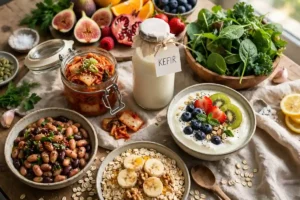
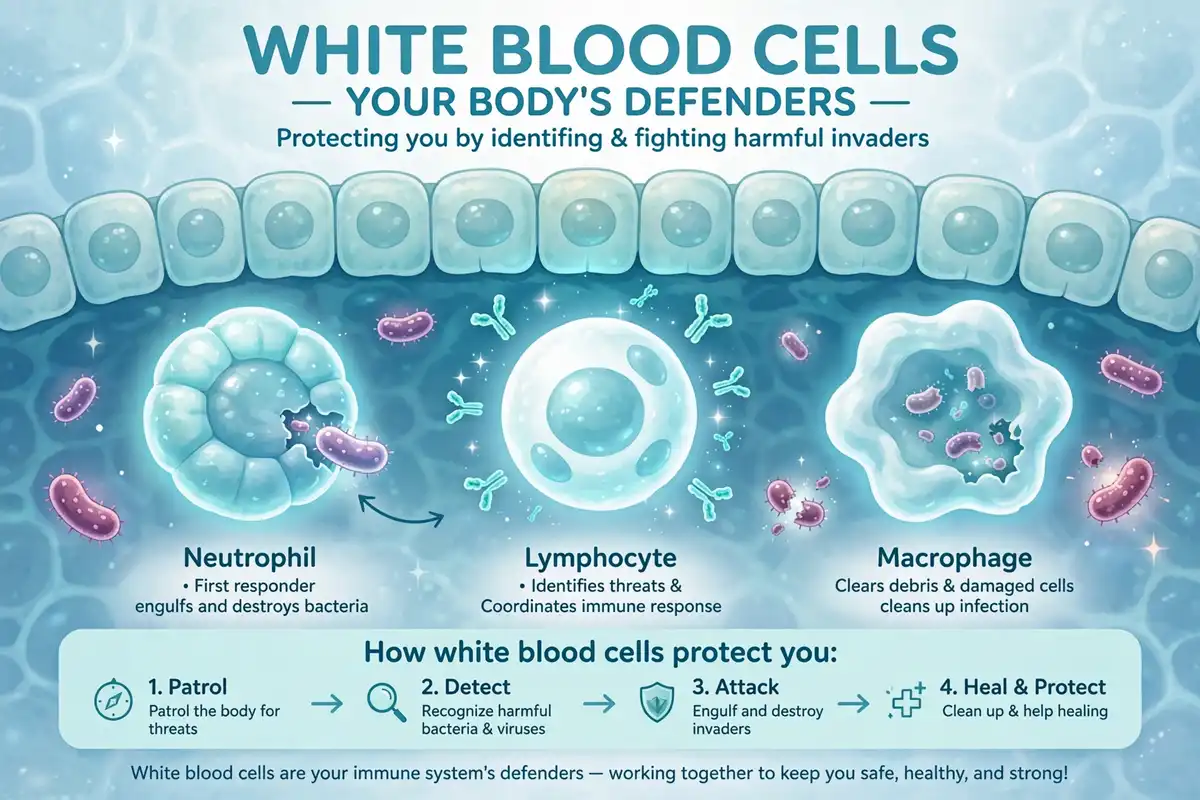
Feeling tired all the time is frustrating, and it is natural to wonder whether a vitamin might help. Vitamins and minerals do play real roles in energy production: they help the body turn food into usable energy, carry oxygen in the blood, and support nerves and muscles. But energy is not stored in a vitamin pill waiting to be unlocked. For most people, low energy comes from a mix of sleep, activity, diet, stress, and health factors, and vitamins help most when they correct a genuine gap, not when they are added on top of an already adequate diet.
This guide explains the nutrients most closely linked to energy, where to find them in everyday foods, and when to be cautious about supplements. It is general information, not personal medical advice. Persistent fatigue, especially with symptoms such as weight loss, shortness of breath, pale skin, hair loss, or mood changes, deserves a clinician’s evaluation, since fatigue can signal thyroid problems, anemia, sleep disorders, depression, diabetes, or other conditions that need specific care. No vitamin replaces that evaluation.
B Vitamins: Helpers in Energy Production
B vitamins are a family of nutrients that help enzymes convert carbohydrates, fats, and proteins into energy the body can use. Thiamin, riboflavin, niacin, pantothenic acid, biotin, vitamin B6, folate, and vitamin B12 each play distinct roles, but they work as a team. Whole grains, meat, poultry, fish, eggs, dairy, beans, lentils, leafy greens, nuts, and seeds all provide various B vitamins, which is why a varied diet usually covers them well. Fortified breakfast cereals and breads also add B vitamins for many Americans.
Vitamin B12 deserves special mention because deficiency is relatively common in certain groups, including older adults, people who eat little or no animal products, and people with conditions or medicines that reduce B12 absorption. B12 deficiency can cause fatigue and anemia, and it develops slowly, so it can be missed. Folate deficiency can also cause anemia and fatigue. If you belong to a group at risk, or if fatigue persists, a clinician can check levels with a simple blood test and advise whether food changes or supplements are appropriate. Taking very high doses of individual B vitamins without guidance is not a shortcut to energy and can, in some cases, mask other problems or cause side effects.
Iron, Vitamin D, and Magnesium
Iron is essential for carrying oxygen in red blood cells. When iron is low, less oxygen reaches muscles and the brain, and fatigue is a common result. Iron deficiency anemia is one of the most common nutritional causes of tiredness, especially among menstruating women, pregnant people, and people with limited iron intake or blood loss. Good food sources include red meat, poultry, fish, beans, lentils, tofu, spinach, and iron-fortified cereals. Eating iron-rich plant foods with vitamin C, such as citrus, peppers, or tomatoes, can improve absorption. Iron supplements should only be taken when deficiency is confirmed or a clinician recommends them, because excess iron can be harmful.
Vitamin D, often called the sunshine vitamin because skin makes it in sunlight, supports bone health, immune function, and muscle function, and low levels have been linked with fatigue in some studies, though the relationship is complex. Many people get vitamin D from sunlight, fatty fish, fortified milk, and fortified cereals, but levels vary by season, skin tone, sun exposure, and diet. Magnesium, found in leafy greens, nuts, seeds, whole grains, and beans, helps muscles and nerves work properly and supports energy production at the cellular level. Most people who eat a varied diet get enough magnesium from food, and supplements are best discussed with a clinician, especially for people with kidney disease or those taking certain medicines.
Vitamin C and Other Supportive Nutrients
Vitamin C is best known for immune support, but it also helps the body absorb iron from plant foods and supports the production of carnitine, a compound involved in energy metabolism. Citrus fruits, berries, peppers, broccoli, and tomatoes are rich sources, and most people meet their needs through food. Vitamin C deficiency is uncommon in the United States, but a diet very low in fruits and vegetables can leave intake low. Other nutrients, including iodine for thyroid function, zinc for cell function, and coenzyme Q10, which cells use in energy production, also appear in energy discussions. For most people, food provides these in adequate amounts, and high-dose supplements have limited evidence for boosting energy when levels are already normal.
That evidence gap is important. Supplement marketing often promises energy, focus, and vitality, but studies generally show the clearest benefit when a deficiency is present. When levels are normal, extra vitamins are usually excreted or stored, not turned into extra energy. Some products also contain caffeine or herbal stimulants that create a temporary feeling of energy while masking tiredness, which can disrupt sleep and worsen fatigue over time. Reading labels, checking for third-party testing, and asking a clinician or pharmacist about interactions with medicines are sensible steps before starting any supplement. Pairing nutrition with fitness and wellness habits often does more for lasting energy than any single product.
Food First: Eating for Steady Energy
Steady energy comes more from eating patterns than from any one nutrient. Balanced meals with protein, fiber, and healthy fats tend to release energy more gradually than meals dominated by refined carbohydrates and added sugar, which can cause a quick rise and crash. Starting the day with protein and fiber, such as eggs with whole-grain toast and fruit, or yogurt with oats and berries, can set a steadier tone than a sugary pastry alone. Regular meals, rather than long gaps followed by large meals, also help many people avoid afternoon slumps.
Hydration matters too, since even mild dehydration can contribute to tiredness and headaches. Water is the simplest choice, and foods such as fruits, vegetables, soups, and yogurt add fluid as well. Limiting alcohol, which fragments sleep, and being mindful of caffeine timing, so it does not steal nighttime sleep, also protect daytime energy. These habits may sound basic, but they address the most common, reversible causes of low energy. For readers exploring overall wellness, mental health and well-being routines and good sleep habits are equally important parts of the energy picture.
When Fatigue Needs Medical Attention
See a clinician promptly if fatigue is severe, lasts more than a few weeks despite good sleep and diet, or comes with warning signs such as unexplained weight loss, fever, shortness of breath, chest pain, black stools, heavy bleeding, or mood symptoms that interfere with daily life. A clinician can review medicines, check for anemia, thyroid problems, sleep apnea, depression, and other causes, and order tests when needed. Bring notes about sleep, diet, activity, stress, and any supplements you take, since that history helps narrow the cause far more than a single lab value alone.
Energy Drinks, Caffeine, and Quick Fixes
Energy drinks and high-caffeine products promise quick vitality, but they deserve caution. Caffeine blocks sleepiness signals in the brain, which can feel like energy, but it does not replace sleep or nutrition, and its effects wear off, sometimes leaving a crash. Large amounts of caffeine can cause jitteriness, anxiety, rapid heartbeat, and poor sleep, especially in children, adolescents, pregnant people, and people sensitive to stimulants. Energy drinks often add large amounts of sugar or sweeteners, plus herbal stimulants whose doses and interactions are less well studied than caffeine alone. If you use caffeine, moderate amounts earlier in the day, with water and food, are generally safer than large doses late in the day.
Other quick fixes, such as skipping meals to feel lighter, relying on sugar for a boost, or taking multiple supplements at once, tend to backfire in similar ways. Skipping meals can lead to low blood sugar symptoms and overeating later, sugar gives a brief rise followed by a dip, and combining supplements increases the risk of excess doses and interactions. The steadier path is less exciting but more reliable: regular meals, adequate sleep, daily movement, hydration, and time outdoors. If low energy persists despite those basics, that persistence itself is information worth sharing with a clinician, rather than a problem to mask with stronger stimulants. For people who need help with daily routines, personalized support for independent living can ease the load that drains energy.
Think of vitamins as part of a larger energy system, not as fuel themselves. Food provides the raw materials, B vitamins and minerals help process them, sleep restores the system, movement improves efficiency, and medical care catches problems early. If a deficiency is found, correcting it can make a real difference. If levels are normal, the best energy investment is usually better sleep, regular movement, balanced meals, stress care, and time outdoors. Further reading includes health science breakthroughs, healthcare services and patient care, healthcare and patient care guides, at-home care options, oral care and health, expert care for better health, and how research shapes everyday life. Start with food, sleep, and movement, get checked when fatigue persists, and let energy build the steady way.