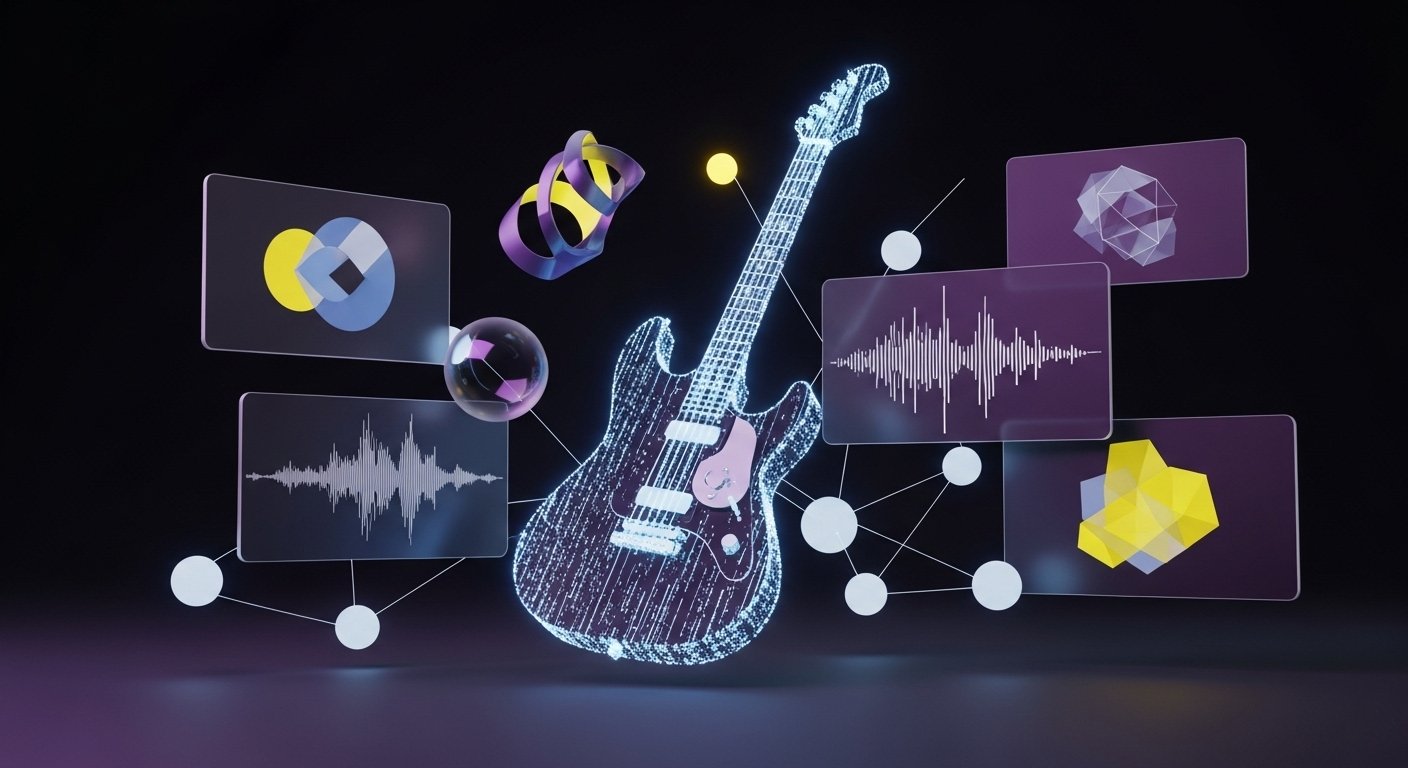
Connected devices are becoming an increasingly important part of everyday life. Smartphones, smart speakers, wearable technology, connected appliances, vehicles, security systems, industrial sensors, and other network-enabled products can communicate, exchange information, and respond to data in ways that were once difficult to imagine.
This shift is closely connected to the growth of the Internet of Things (IoT) and smart devices. As connectivity becomes more affordable and reliable, devices are moving from isolated tools to interconnected systems that can automate tasks, collect information, and support faster decisions.
Understanding the connected-device landscape is useful for consumers, businesses, developers, and technology professionals. It helps explain not only how modern devices communicate but also why connectivity is becoming such an important part of the digital economy.
What Are Connected Devices?
Connected devices are physical products capable of communicating with other devices, applications, networks, or cloud-based systems. Depending on their design, they may collect information through sensors, send data over a network, receive instructions, or perform automated actions.
A smartphone is a familiar example, but connected technology extends far beyond phones and computers. Smart thermostats can adjust temperature settings, fitness trackers can collect activity information, connected security cameras can transmit video, and industrial sensors can monitor machinery.
The broader development of connected products is part of the rise of emerging technologies, where hardware, software, connectivity, automation, and data increasingly work together.
How Connected Devices Work
Although connected products can vary considerably, most connected-device ecosystems rely on several fundamental components.
1. Sensors and Data Collection
Sensors allow devices to observe conditions around them. Depending on the application, sensors can measure movement, temperature, location, light, pressure, moisture, sound, or other variables.
The device converts these observations into digital information that can be processed locally or transmitted to another system.
2. Connectivity
Devices need a method of communication. Wi-Fi, Bluetooth, cellular networks, Ethernet, and other wireless or wired technologies can provide the connection required for data exchange.
The appropriate connection depends on factors such as range, power consumption, bandwidth, reliability, cost, and the environment in which the device operates.
3. Software and Applications
Hardware alone does not create a useful connected ecosystem. Software determines how data is collected, processed, displayed, and acted upon.
This is why understanding software development trends is increasingly important when examining connected technologies. Applications provide interfaces that allow people and businesses to interact with connected systems.
4. Cloud and Data Infrastructure
Many connected products send information to cloud-based platforms where it can be stored, analyzed, and shared across applications. Cloud infrastructure makes it possible to manage large numbers of devices without relying entirely on local computing resources.
As more devices become connected, organizations need increasingly capable systems for managing information, applications, and digital infrastructure.
Connected Devices vs. Traditional Devices
The biggest difference between a conventional device and a connected device is the ability to communicate and exchange information.
A traditional thermostat, for example, may require manual adjustment. A connected thermostat can potentially receive information from sensors, communicate with an application, and automatically adjust settings according to programmed conditions.
This additional layer of connectivity can transform a simple physical product into part of a larger digital ecosystem.
The evolution reflects the broader latest technology trends, where products increasingly combine hardware, software, networking, and data-driven functionality.
Common Types of Connected Devices
Smart Home Devices
Smart home technology is one of the most visible examples of connected-device adoption. Smart lights, thermostats, doorbells, locks, cameras, appliances, and speakers can communicate through a home network.
These products can make everyday tasks more convenient by allowing users to control devices through applications, voice commands, schedules, or automated routines.
Wearable Devices
Smartwatches, fitness trackers, connected rings, and other wearable products collect information while people go about their daily activities.
Depending on the device, information can include movement, exercise activity, sleep patterns, location, or other measurements. Wearables demonstrate how connected technology can become part of a person’s routine rather than remaining a separate piece of equipment.
Connected Vehicles
Modern vehicles increasingly contain sensors, communication systems, navigation technology, entertainment platforms, and software-based features.
The growth of connected transportation is closely related to developments discussed in the future of autonomous vehicles. Connectivity can help vehicles communicate with services, infrastructure, applications, and other systems.
Smart Appliances
Refrigerators, washing machines, ovens, robotic cleaners, and other household appliances can now include network connectivity.
Connected appliances can provide notifications, remote controls, maintenance information, scheduling functions, or automated operation depending on their design.
Industrial Devices
Factories and industrial facilities use connected sensors and machines to monitor production, equipment performance, energy consumption, inventory, and operational conditions.
These systems can support predictive maintenance and help organizations identify potential problems before they cause significant disruption.
The Role of IoT in Connected Devices
The Internet of Things provides one of the most important frameworks for understanding connected devices. IoT describes ecosystems in which physical objects equipped with sensors, software, and connectivity can collect and exchange information.
Instead of treating every device as an isolated product, IoT connects devices into larger systems. A smart home, for example, might combine lighting, security cameras, thermostats, appliances, and mobile applications.
For a broader overview, readers can explore the impact of IoT and smart devices and see how connectivity is influencing different areas of modern life.
Benefits of Connected Devices
Greater Convenience
Connected devices can reduce the number of manual tasks required from users. Remote controls, automatic schedules, alerts, and intelligent routines can make everyday activities easier.
Improved Efficiency
Businesses can use connected systems to monitor resources and identify inefficiencies. Real-time information can help organizations make faster operational decisions.
Better Access to Information
Connected devices continuously generate data. When that information is presented effectively, users can gain a clearer understanding of what is happening around them.
Automation
Connectivity enables devices to respond to predefined conditions without requiring constant human intervention. This can be particularly useful in manufacturing, logistics, energy management, security, and smart homes.
Remote Management
Many connected systems can be monitored or controlled remotely. This capability is especially valuable for businesses managing equipment across multiple locations.
Connected Devices in Business
Connected technology has moved beyond consumer electronics and into almost every major business sector.
Manufacturers can use sensors to monitor machines. Retailers can track inventory. Logistics companies can monitor shipments and vehicles. Energy providers can analyze consumption patterns. Offices can use connected systems to manage lighting, security, heating, cooling, and equipment.
These developments are part of the broader high-tech universe, where digital infrastructure increasingly influences business operations.
Companies also need to understand how technology supports broader business strategies. Related developments in digital business services demonstrate how digital systems are becoming integrated into organizational operations.
Connected Devices and Smart Cities
The same principles used in smart homes and connected businesses can be applied to entire cities.
Smart-city systems can use connected sensors to monitor traffic, parking, public transportation, energy consumption, environmental conditions, lighting, waste management, and infrastructure.
When different systems share information, cities can potentially respond more efficiently to changing conditions.
Connected transportation is particularly important because vehicles, roads, traffic signals, public transportation systems, and navigation platforms can increasingly interact through digital infrastructure.
Connected Devices and Environmental Monitoring
Connected sensors can also contribute to environmental observation. Devices can monitor air quality, water conditions, temperature, weather patterns, energy consumption, and other environmental variables.
The resulting information can support research, conservation, infrastructure planning, and resource management.
This makes connected technology relevant to the wider scientific landscape, including science’s role in protecting ecosystems.
Technology can also provide researchers with new ways to collect and analyze information, complementing developments in scientific inquiry.
The Importance of Interoperability
One of the biggest challenges in a connected ecosystem is getting different products and platforms to work together.
A household might contain devices made by several manufacturers. If every product uses completely different systems, users may struggle to create a seamless experience.
Interoperability allows devices and platforms to exchange information more effectively. Standards, compatible protocols, APIs, and shared frameworks can all contribute to better integration.
This is one reason the broader development of connected-device ecosystems requires more than simply adding internet connectivity to individual products.
Security and Privacy Challenges
The growing number of connected products also creates new security considerations.
Every connected device can potentially become another entry point into a network. Weak passwords, outdated software, insecure communication, poor configuration, or unsupported devices can increase risk.
Users should therefore consider security when purchasing and configuring connected products.
Businesses have additional responsibilities because connected devices can interact with corporate networks and sensitive operational information.
Security should be considered throughout the device lifecycle, from product design and deployment to software updates, monitoring, maintenance, and eventual replacement.
Privacy and Data Management
Connected devices can collect significant amounts of information. Depending on the product, this may include location data, usage patterns, environmental information, device identifiers, or other personal and operational details.
Responsible data management is therefore essential. Organizations should understand what information is collected, why it is collected, where it is stored, who can access it, and how long it is retained.
Consumers should also review privacy controls and understand what information their connected products transmit.
Challenges Facing the Connected-Device Landscape
Device Compatibility
Different manufacturers and platforms can create compatibility challenges. Consumers and businesses increasingly expect devices to communicate without complicated configuration.
Cybersecurity
The rapid growth of connected devices expands the number of systems that need to be secured. Security cannot be treated as an afterthought.
Data Overload
More devices mean more information. Without effective data management and analytics, large volumes of information can become difficult to interpret.
Maintenance
Connected products require software updates, security patches, connectivity management, and hardware maintenance. Organizations managing thousands of devices need efficient lifecycle-management strategies.
Energy Consumption
Many connected devices rely on batteries or continuous power. Manufacturers must balance functionality with energy efficiency, particularly for devices expected to operate for long periods.
The Connection Between AI and Connected Devices
Artificial intelligence is adding another layer of intelligence to connected systems.
Instead of simply collecting data, devices and platforms can increasingly use algorithms to identify patterns, predict outcomes, classify information, and automate decisions.
For example, a connected security system may analyze activity rather than simply recording it. An industrial system may identify unusual equipment behavior. A smart home platform may learn recurring patterns and adjust settings automatically.
This convergence of connectivity and intelligent software is one of the most important developments within modern technology trends.
Connected Devices and the Future of Technology
The connected-device landscape is likely to become broader and more integrated as networks, sensors, software, cloud platforms, and artificial intelligence continue to develop.
Future systems may involve fewer isolated devices and more coordinated ecosystems. A vehicle may interact with a home. A wearable may communicate with healthcare applications. Industrial equipment may automatically coordinate maintenance. Buildings may dynamically manage energy based on occupancy and environmental conditions.
Emerging technologies will continue to influence how these systems develop. The rise of emerging technologies is likely to introduce new capabilities while also creating new questions about security, privacy, ownership, and digital responsibility.
How Consumers Can Choose Connected Devices
Consumers should look beyond the feature list when purchasing connected technology.
- Check which networks and platforms the device supports.
- Review the manufacturer’s software-update policy.
- Consider how much personal data the device collects.
- Look for strong authentication and security controls.
- Check whether the product integrates with existing devices.
- Consider long-term support before purchasing.
- Evaluate whether the connected features provide meaningful value.
It can also help to follow broader technology coverage, including the latest gadgets and connected technology, before making a purchase decision.
How Businesses Can Prepare for Connected Technology
Businesses should approach connected-device adoption strategically rather than simply adding new technology without a clear objective.
A practical approach starts by identifying the operational problem the technology is expected to solve. Organizations can then determine what data is required, which devices are appropriate, how those devices will communicate, and how the resulting information will be managed.
Security should be incorporated from the beginning. Companies should also establish procedures for software updates, device replacement, access management, and incident response.
Organizations exploring digital transformation can also learn from wider advanced digital strategies as they consider how connected technology fits into their overall digital ecosystem.
Why Connected Devices Matter
Connected devices represent more than a collection of internet-enabled products. They are part of a broader shift toward environments where physical objects can communicate, generate data, and participate in automated systems.
From smart homes and wearable technology to connected vehicles, industrial equipment, environmental sensors, and smart-city infrastructure, connectivity is changing how technology interacts with the physical world.
The biggest opportunities will come from making these systems useful, secure, interoperable, and easy to manage. Simply connecting more devices is not enough. The real value comes from turning connectivity and data into meaningful outcomes.
Final Thoughts
The landscape of connected devices is expanding rapidly, bringing together hardware, software, networking, cloud computing, sensors, data analytics, and artificial intelligence.
For consumers, connected technology can provide greater convenience and automation. For businesses, it can create new opportunities for efficiency, monitoring, and data-driven decision-making. For society, connected infrastructure can contribute to smarter transportation, energy management, environmental monitoring, and public services.
As technology continues to evolve, the connected-device ecosystem will become increasingly sophisticated. Understanding its foundations today can help consumers and organizations make smarter decisions about the technologies they adopt tomorrow.