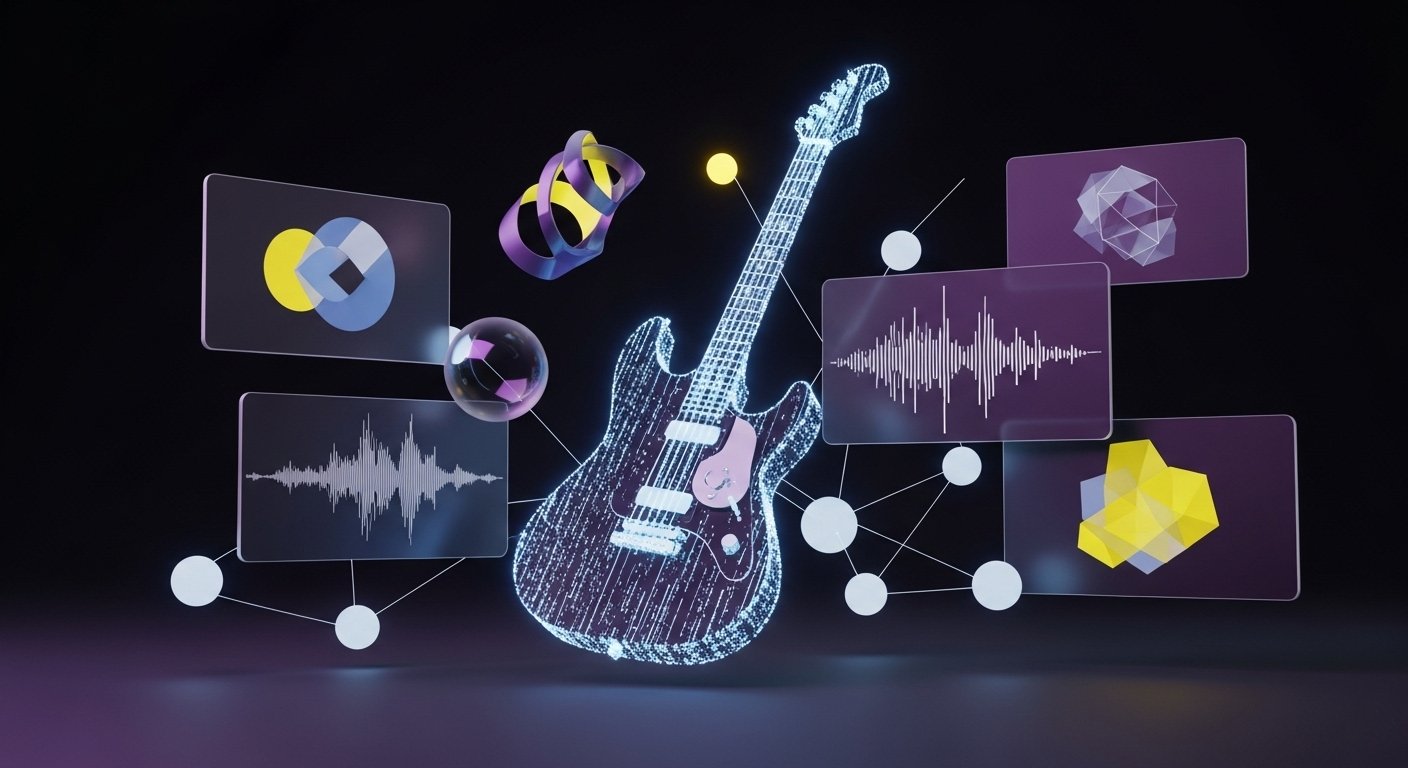
Today’s audiences are no longer limited to traditional television, movies, or static websites. Interactive games, virtual environments, cinematic platforms, digital communities, and technology-driven experiences are changing how people discover and consume entertainment. The rise of entertainment zones, gaming platforms, connected devices, and immersive media demonstrates how broad the modern entertainment landscape has become.
What Does Immersive Entertainment Mean?
Immersive entertainment is designed to make audiences feel more involved in the experience instead of simply watching from a distance. It can include interactive games, virtual environments, cinematic experiences, spatial audio, digital storytelling, and physical attractions that combine multiple forms of media.
The concept is closely connected to the development of new technology trends. Better displays, faster processors, improved graphics, connected devices, and more sophisticated software allow creators to build entertainment environments that respond to users.
For some people, immersive entertainment means stepping into a virtual world. For others, it may mean participating in an interactive performance, exploring a themed environment, or using technology that makes a traditional entertainment format more engaging.
The Evolution of Digital Entertainment
Entertainment has changed significantly as technology has evolved. The transition from physical media to streaming was only one stage of a much larger transformation. Today’s audiences can move between video, gaming, social platforms, interactive applications, and virtual experiences within the same device.
The rise of emerging technologies has accelerated this change. Artificial intelligence, extended reality, cloud computing, faster networks, and advanced graphics are influencing the way entertainment products are designed and delivered.
At the same time, the growth of IoT and smart devices is connecting entertainment with everyday environments. Smart televisions, phones, gaming systems, speakers, wearables, and other connected products can work together to create more personalized experiences.
Gaming and Interactive Experiences
Gaming is one of the clearest examples of immersive entertainment. Modern games can combine detailed environments, narrative storytelling, sound design, multiplayer interaction, and player choices into a single experience.
People interested in this area can also explore latest gaming updates to understand how the industry continues to evolve. Gaming is no longer limited to conventional console experiences. Mobile platforms, cloud services, virtual reality, and interactive online environments have expanded the definition of what a game can be.
Installation and accessibility can also influence the user experience. For example, guides covering game installation and setup demonstrate how technical preparation has become part of modern digital entertainment.
Cinematic Entertainment and Immersion
Film and cinematic entertainment are also becoming increasingly interactive. High-quality visual effects, surround sound, interactive storytelling, and specialized environments can make viewers feel more connected to the content.
Articles such as Cinevood’s cinematic entertainment experience illustrate the broader idea of entertainment built around visual storytelling and audience engagement.
This development does not necessarily mean that traditional movies are disappearing. Instead, conventional cinema can coexist with interactive and immersive formats. Audiences can choose between passive viewing and experiences that require greater participation.
Why Technology Matters to Immersive Experiences
Technology provides much of the infrastructure behind modern immersive entertainment. High-resolution displays improve visual detail, while advanced audio systems create greater spatial awareness. Faster processors allow applications to handle complex environments, and connected networks make real-time interaction possible.
Readers interested in the broader technology landscape can explore new gadgets and devices, as well as developments discussed in the high-tech universe.
Software is equally important. Behind every interactive entertainment product are applications, databases, interfaces, graphics systems, and other technical components. Understanding software development trends helps explain why entertainment platforms can now provide increasingly sophisticated experiences.
Connected Devices and Personalized Entertainment
Another major development is the growing relationship between entertainment and connected devices. Smartphones, smart televisions, gaming hardware, speakers, tablets, and wearable technology can create an ecosystem in which content follows the user across multiple devices.
This is part of the broader connected-device landscape. Instead of treating every device as an isolated product, modern systems increasingly allow devices to communicate and share information.
That connectivity can make entertainment more convenient. Users may start watching content on one device, continue on another, interact with an application through a phone, or use additional hardware to enhance a gaming or media experience.
Immersive Entertainment Beyond Screens
Immersive entertainment is not restricted to digital screens. Physical venues can also create experiences using themed environments, lighting, sound, performers, interactive objects, and spatial design.
This can be seen in entertainment destinations such as Hive Entertainment Zone, where the attraction itself becomes part of the entertainment experience.
Similarly, reviews and discussions surrounding entertainment experiences and platforms show how audiences increasingly evaluate entertainment based on engagement, atmosphere, accessibility, and overall experience rather than content alone.
The Role of Emerging Media
Emerging media formats continue to expand the possibilities for immersive entertainment. Virtual reality can place users inside simulated environments, while augmented reality can add digital information to the physical world. Interactive installations can combine physical spaces with digital content.
These developments are part of the wider conversation around the latest technology trends. As hardware becomes more capable and software becomes more sophisticated, creators have more tools for developing experiences that respond to users.
The future may also bring closer integration between artificial intelligence, connected devices, spatial computing, and interactive storytelling. The result could be entertainment that adapts more closely to individual preferences and behavior.
How to Choose an Immersive Entertainment Experience
Choosing an immersive experience depends largely on personal interests. Someone who enjoys competition may prefer interactive gaming, while another person may be more interested in cinematic storytelling or physical entertainment venues.
Consider the following factors before choosing an experience:
- Level of interaction: Decide whether you want to watch, explore, or actively participate.
- Technology: Check whether the experience requires special hardware or software.
- Content: Consider the story, theme, genre, or subject matter.
- Environment: Physical venues can provide a different experience from digital platforms.
- Accessibility: Check device requirements, age restrictions, accessibility features, and technical requirements.
- Social experience: Some experiences are designed for individuals, while others work better with friends or groups.
Entertainment Is Becoming More Experiential
The biggest shift in modern entertainment is the move from simply consuming content toward participating in experiences. Audiences increasingly expect entertainment to be visually engaging, interactive, convenient, and personalized.
This transformation connects entertainment with areas such as technology, gaming, software development, connected devices, and digital media. Even seemingly separate developments can contribute to the same larger trend.
For example, advances in autonomous technology demonstrate how software, sensors, computing, and real-time interaction are changing other industries. Similar technological principles can influence entertainment by enabling environments that respond dynamically to users.
Travel is another area where immersive experiences are becoming increasingly important. People looking for destination-based entertainment can explore guides such as places to visit in South Devon, places to visit in San Francisco, and places to visit in Munich to discover experiences where location itself becomes part of the activity.
Final Thoughts
The phrase “Ambien Entertain Erome” does not clearly describe one universally established entertainment category. However, it can be approached as a starting point for exploring the larger world of immersive entertainment, digital experiences, gaming, cinema, connected technology, and interactive media.
As technology continues to develop, entertainment is likely to become increasingly experiential. Instead of simply consuming a movie, game, or digital story, audiences can increasingly interact with environments, influence outcomes, and become active participants in the experience.
That combination of storytelling, technology, interaction, and physical or digital environments is what makes immersive entertainment such an important part of the modern media landscape.